Ukraine in 2026 is largely cashless in everyday life: supermarkets, pharmacies, chain cafés, hotels, and many museums accept cards and mobile wallets. At the same time, practical travel planning still requires cash. Power and connectivity disruptions can temporarily knock out POS terminals and ATMs; smaller towns may have fewer functioning terminals; and some services (markets, private drivers, small guesthouses) can be cash-first even when everything is working.
The goal isn’t to choose one method—it’s to build a payment setup that keeps you moving if your card fails, your bank blocks a transaction, or a city experiences an outage.
When cards work best—and when cash becomes essential
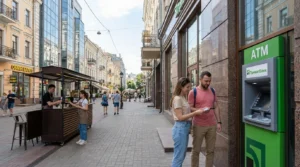
Cards and mobile wallets are strongest in big cities (Kyiv, Lviv, Odesa, Dnipro and other regional centers) and in places with stable infrastructure: chain grocery stores, fuel stations, pharmacies, shopping malls, hotels, and well-established restaurants. Contactless payments are widely used, and many travelers can rely on tap-to-pay for most daily spending.
Cash becomes essential in four common situations:
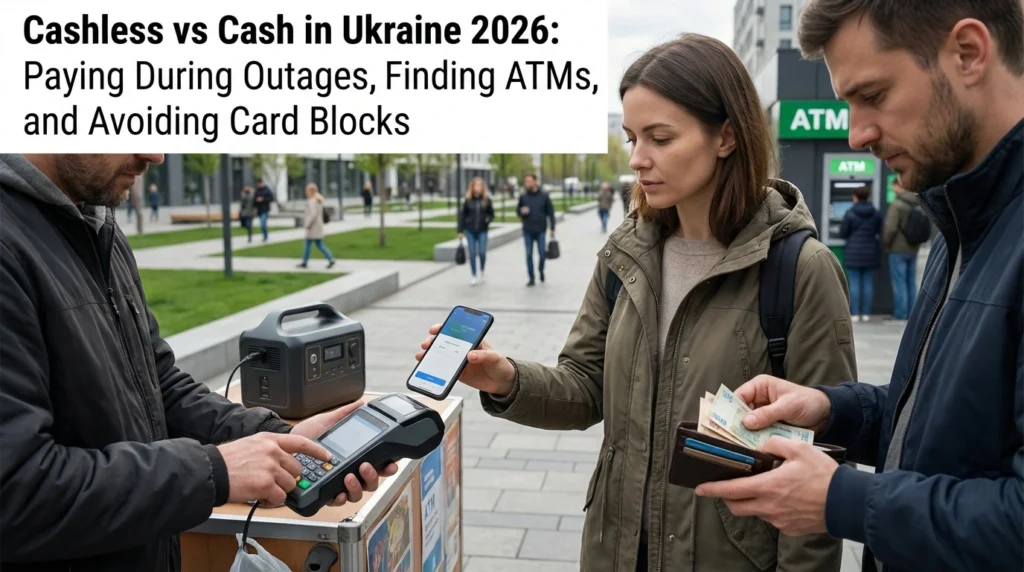
- Outages and connectivity disruptions: Even if a shop has power, the card terminal may lose network connection. During disruptions, some businesses switch to cash-only until systems stabilize.
- Small towns and villages: You may find fewer terminals, fewer ATMs, and more places that prefer cash for small purchases.
- Markets and kiosks: Open-air markets, small bakeries, street coffee stands, and informal vendors often operate primarily with cash. Some accept transfers or QR payments, but don’t count on it as a foreign visitor.
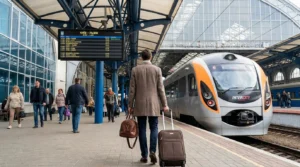
- Transport edge cases: Intercity rail is typically card-friendly online, but last-minute changes, local minibuses, station kiosks, luggage storage, and small-town taxis can be cash-dependent.
Practical rule for 2026: treat card as your default, and cash as your continuity plan. Carry enough cash to cover 24–72 hours of basics (food, local transport, small emergencies), then replenish when conditions are normal.
How much cash is “enough”? It depends on where you’re going and how you travel. For city-based trips with day tours, many travelers keep the equivalent of one to three days of spending in hryvnia (UAH), plus a small reserve for unexpected transport changes. If you’re heading into the Carpathians, smaller towns, or doing volunteer logistics, increase the buffer.
Denominations matter. Keep a mix of smaller bills for markets and transport. If you withdraw a large amount, break it in a supermarket or pharmacy during normal hours rather than trying to make change late at night.
ATM strategy in Ukraine: bank choice, fees, limits, and safety
ATMs are common in cities and available in many towns, but your experience depends on which bank’s ATM you use, what your home bank charges, and whether the machine is in a secure location.
Choose the right ATM locations
- Prefer indoor ATMs inside bank branches, shopping malls, or supermarkets. They’re better lit, monitored, and less likely to be tampered with.
- Avoid isolated street ATMs at night, especially if you’re carrying luggage or withdrawing a large amount.
- Plan withdrawals earlier in the day. If an outage happens, you don’t want to be searching for a working machine after dark.
Bank choice and reliability
In practice, ATMs from major Ukrainian banks in central locations tend to be more reliable and better maintained. If you’re unsure, withdraw in a busy area where multiple ATMs are available—this gives you a fallback if one machine is offline or out of cash.
Fees: what to expect and how to reduce them
ATM costs usually come from two places:
- Your home bank (foreign ATM fee and/or foreign transaction fee).
- The local ATM operator (a surcharge that should be displayed before you confirm).
Fee-minimizing approach:
- Make fewer, larger withdrawals rather than many small ones—within your comfort level for carrying cash.
- Decline any option that looks like dynamic currency conversion (DCC) if offered. If the ATM suggests charging you in your home currency, it often comes with a worse exchange rate. Choose to be charged in UAH when possible.
- Keep a second card from a different bank account as backup in case one card triggers fraud controls.
Withdrawal limits and outage planning
Limits can be set by your bank, the Ukrainian ATM, or both. During high demand or disruptions, machines can run out of cash faster than usual. To avoid being caught short:
- Withdraw before travel days (long train/bus transfers, rural excursions, early departures).
- Maintain a cash reserve stored separately from your wallet for true emergencies.
- If you’re staying longer, establish a routine: top up cash when you drop below your 2–3 day buffer.
ATM safety checklist
- Cover the keypad when entering your PIN.
- Inspect the card slot and keypad for anything loose or unusual.
- Don’t accept “help” from strangers at the ATM.
- Put cash away before stepping outside; don’t count it in public.
Card security in Ukraine: 3‑D Secure, terminals, and fraud prevention
Most card payments in Ukraine are straightforward, but foreign cards can be more sensitive to fraud controls—especially after multiple small transactions, unusual locations, or sudden high-value purchases. A little preparation reduces both fraud risk and the chance of a frustrating card block.
3‑D Secure: make sure it will work for you
Online payments (train tickets, hotels, delivery apps) often require 3‑D Secure verification via your banking app, SMS, or a push notification. Before you arrive:
- Confirm your bank’s 3‑D Secure method works abroad.
- Ensure your banking app is installed and logged in.
- Keep access to the phone number tied to your bank (roaming, eSIM, or another plan).
Merchant terminals: what’s normal and what’s a red flag
- Normal: the terminal is brought to you; you tap/insert; you see the amount on screen; you confirm.
- Be cautious: the card is taken out of sight; the amount isn’t shown clearly; you’re asked to pay twice “because it didn’t go through.” If a terminal error occurs, ask for a receipt or check your banking app before trying again.
Preventing card blocks (the traveler’s checklist)
- Tell your bank you’re traveling if your bank still uses travel notices.
- Carry two cards (ideally different networks/banks) and keep them in separate places.
- Keep transactions consistent for the first day: a few normal purchases can “train” fraud systems before you attempt a large hotel deposit or expensive gear purchase.
- Avoid repeated declines. If a card fails twice, switch payment method and contact your bank—multiple declines can trigger automated blocks.
Fraud prevention that actually helps on the road
- Use a virtual card or a separate “travel card” for online purchases.
- Enable instant transaction notifications.
- Set spending limits and allow temporary increases when needed.
- Keep emergency bank contact details saved offline (notes app or printed).
Budgeting with buffers: transport changes, emergency purchases, and resilience
Ukraine can be excellent value in 2026, but the most common money stress for visitors comes from timing: a route changes, a train is rescheduled, a hotel asks for a different payment method, or a planned card payment becomes cash-only for a few hours. A resilient budget prevents small disruptions from becoming expensive problems.
Build a two-layer buffer
- Daily buffer (cash): enough for food, water, local transport, and small essentials for 24–72 hours.
- Trip buffer (card-accessible): extra funds for rerouting, an additional night in a hotel, replacement SIM/power bank, or a last-minute transfer.
Transport-specific money planning
- Intercity travel: keep cash for station needs (snacks, water, small fees) and a card for ticketing when systems are online.
- Local transport: assume you’ll need cash at least once—especially outside central districts.
- Drivers and transfers: confirm payment method in advance. If you book a private transfer, ask whether they accept card, bank transfer, or cash—and in which currency.
Emergency purchases you should plan for
- Power bank and charging cable (your phone is your map, translator, and banking access).
- Extra water and shelf-stable snacks for long waits or schedule changes.
- Basic medicines and hygiene items if you need to relocate quickly.
Keep money in more than one place
Don’t store all cash and cards together. Use a simple split:
- Main wallet: small cash + primary card.
- Secondary stash (inside bag or money belt): backup card + emergency cash.
- Digital backup: card details stored securely, and a way to access your bank app even if your phone is lost (recovery codes, secondary device, or secure password manager).
Insurance and payment continuity: If you’re arranging travel insurance that includes assistance services, keep the policy number and hotline accessible offline. Some travelers use before arrival so they have documentation ready if plans change and they need support quickly.
A practical payment setup for Ukraine in 2026 (quick plan)
- Primary method: contactless card + mobile wallet for daily spending in cities.
- Backup method: second card from a different bank/network stored separately.
- Cash reserve: 24–72 hours of essentials in UAH, with small denominations.
- ATM routine: withdraw in secure indoor locations; top up before travel days; avoid DCC; monitor fees.
- Security habits: cover PIN, watch the amount on the terminal, enable notifications, and stop after repeated declines.
This combination keeps you flexible: you can enjoy the convenience of modern payments while staying functional during outages, in smaller towns, or when a bank’s fraud system decides your perfectly normal purchase is “suspicious.”