Determining the Necessity of an Invitation Letter in 2026
As Ukraine continues its recovery and infrastructure development in 2026, the State Border Guard Service maintains rigorous entry protocols to ensure the safety of both residents and visitors. Understanding if you require an invitation letter is the first step in planning a successful trip. The requirement depends largely on your citizenship and the intended purpose of your stay.
For citizens of countries with a visa-free regime—including the European Union, the United States, Canada, the United Kingdom, and Japan—an invitation letter is not a mandatory legal document for entry. However, these travelers are frequently asked to provide proof of the purpose of their visit. In this context, an invitation serves as a powerful supporting document that clarifies your intentions to border officers, reducing the likelihood of secondary inspections or entry denials. If you are visiting friends or attending a specific event, having a formal letter on hand is highly recommended.
For citizens of countries that require a visa to enter Ukraine, the invitation letter is a mandatory component of the visa application process. Without a correctly formatted invitation from a host in Ukraine, the consulate or the e-Visa system will not process the application. In 2026, the requirements for these letters have become more standardized, focusing on the host’s ability to provide accommodation and financial guarantees for the visitor.
Categories of Invitations and Their Specific Requirements
Different travel purposes require specific types of invitations. Each category has its own set of rules regarding who can issue it and what information must be included to be considered valid by Ukrainian authorities.
Private Invitations
A private invitation is issued by a Ukrainian citizen or a foreigner holding a permanent or temporary residence permit. In 2026, these letters must be notarized by a Ukrainian public or private notary. The document must include the host’s full passport details, their registered address, and a clear statement that they take responsibility for the visitor’s stay, including financial support and departure from the country. This is the most common format for those visiting family or friends.
Business Invitations
Registered Ukrainian legal entities, including companies, NGOs, and representative offices of foreign organizations, issue business invitations. These do not require notarization but must be printed on the organization’s official letterhead. The letter must state the company’s registration number (EDRPOU), the purpose of the visit (such as negotiations, signing contracts, or equipment maintenance), and the duration of the stay. Business invitations are essential for those applying for a Type C-01 visa or those entering for professional consultations.
Medical and Event Invitations
With the modernization of the Ukrainian healthcare system in 2026, medical tourism has seen a resurgence. Invitations from licensed medical institutions must specify the planned treatment and the expected duration of the hospital stay. Similarly, invitations for cultural, scientific, or sporting events must be issued by the organizing body. These documents should clearly outline the traveler’s role in the event and provide contact details for the organizers.
Verification Protocols and Border Officer Checks
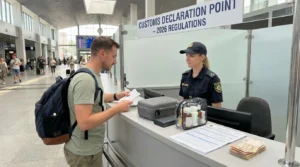
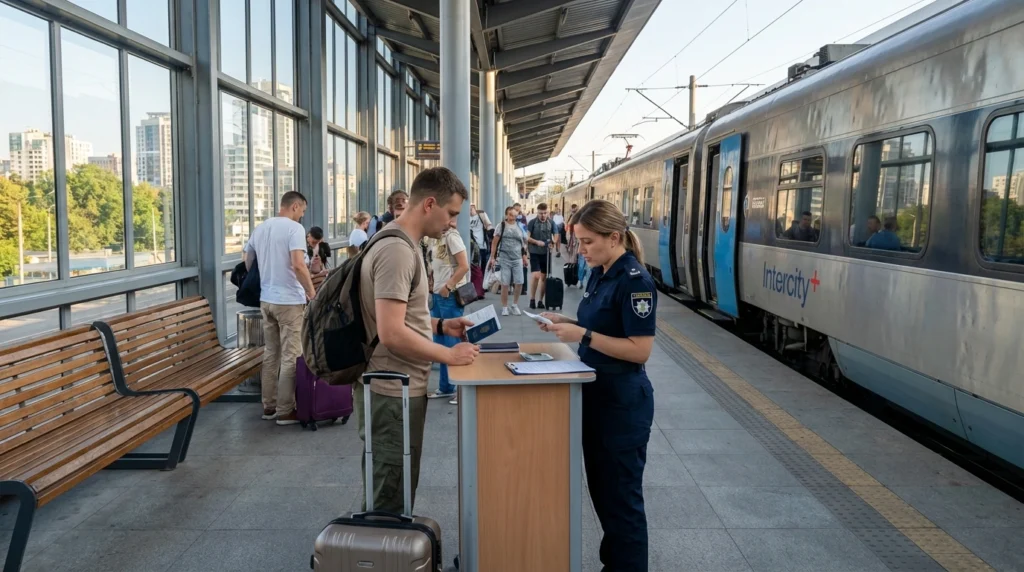
Possessing an invitation letter is only half of the requirement; the document must withstand the scrutiny of the State Border Guard Service at the point of entry. Border officers in 2026 utilize integrated databases to verify the authenticity of hosts and the consistency of the information provided.
One of the primary checks involves the host’s details. Officers may call the host listed on the invitation to confirm they are indeed expecting the visitor. If the host cannot be reached or provides conflicting information regarding the visitor’s plans, entry may be refused. It is vital that your host is aware of your arrival time and the details mentioned in the letter.
Address consistency is another critical factor. The address listed in the invitation must be a valid residential or commercial location. Officers often cross-reference this with the traveler’s stated accommodation plans. If you claim to be staying with a friend but have a hotel booking in a different city, this discrepancy can lead to further questioning. Additionally, travelers must demonstrate they have sufficient financial means for their stay. While an invitation may state the host covers expenses, carrying proof of personal funds or a valid insurance policy from is a standard requirement to prove you are prepared for any medical or travel-related contingencies.
Document Checklist for a Successful Entry
To avoid mismatches and delays at the border, travelers should prepare a comprehensive dossier. Use the following checklist to ensure your invitation and supporting documents meet the 2026 standards:
- Original Document: While electronic copies are sometimes accepted for e-Visas, having the original notarized private invitation or the original business letter with a wet seal is the safest approach for the physical border crossing.
- Host Identification: Carry a copy of the host’s Ukrainian passport or residence permit. This helps officers verify the signature on the invitation.
- Financial Proof: Even with an invitation, be prepared to show bank statements or cash equivalent to the required daily minimum (which is updated annually based on the subsistence level).
- Insurance Coverage: Ensure you have a valid medical insurance policy that covers the entire duration of your stay. Policies from are specifically designed to meet the current entry requirements and are recognized by border authorities.
- Return Ticket: A confirmed return or transit ticket is often requested to prove you do not intend to overstay the 90-day limit for short-term visits.
The 2026 entry environment prioritizes transparency. By ensuring your invitation letter is detailed, accurate, and supported by the necessary financial and insurance documents, you can navigate the border crossing with confidence and focus on your journey through Ukraine.