The Architectural Fabric: From Market Square to Secret Courtyards
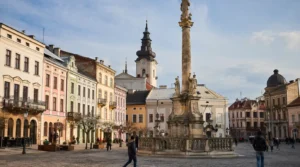
Lviv in 2026 remains a city that speaks through its details. To understand its soul, one must walk slowly, allowing the echoes of the cobblestones and the intricate ornaments of the facades to tell their stories. The journey almost always begins at Rynok Square (Market Square), the medieval heart of the city. Surrounded by 44 unique tenement houses, each representing a different era and architectural style, the square is a living museum. In 2026, the square remains vibrant, filled with the scent of fresh pastries and the sounds of street musicians who have become symbols of the city’s resilience.
For those seeking a panoramic perspective, a hike up to the High Castle park is essential. While the fortress itself exists only in ruins, the observation deck offers a sweeping view of Lviv’s skyline—a sea of red-tiled roofs, baroque domes, and industrial chimneys. It is the perfect location to orient yourself before diving into the denser parts of the historic center. The spiritual depth of the city is best observed through its religious monuments. The Latin Cathedral stands as a testament to Gothic endurance, while the nearby Dominican Cathedral impresses with its late Baroque grandeur and the famous inscription ‘Soli Deo honor et gloria’ carved into its facade.
Beyond the primary tourist routes, Lviv hides its most authentic treasures in its courtyards. The Italian Courtyard inside the Kornyakt Palace offers a Renaissance escape, while the smaller, overgrown courtyards of the Armenian Quarter provide a glimpse into the private lives of Lviv’s residents. For a change of pace, explore the Austro-Hungarian districts along Konovalets, Kotlyarevsky, and General Chuprynka streets. These areas are characterized by elegant Art Nouveau villas, mosaic-tiled entrances, and wrought-iron balconies that evoke the spirit of 19th-century Europe. A walk down Chuprynka Street leads directly to Stryisky Park, one of the most beautiful landscape parks in Ukraine, perfect for a quiet afternoon away from the city center’s bustle.
A Culinary Journey: Lviv’s Coffee Rituals and Galician Flavors
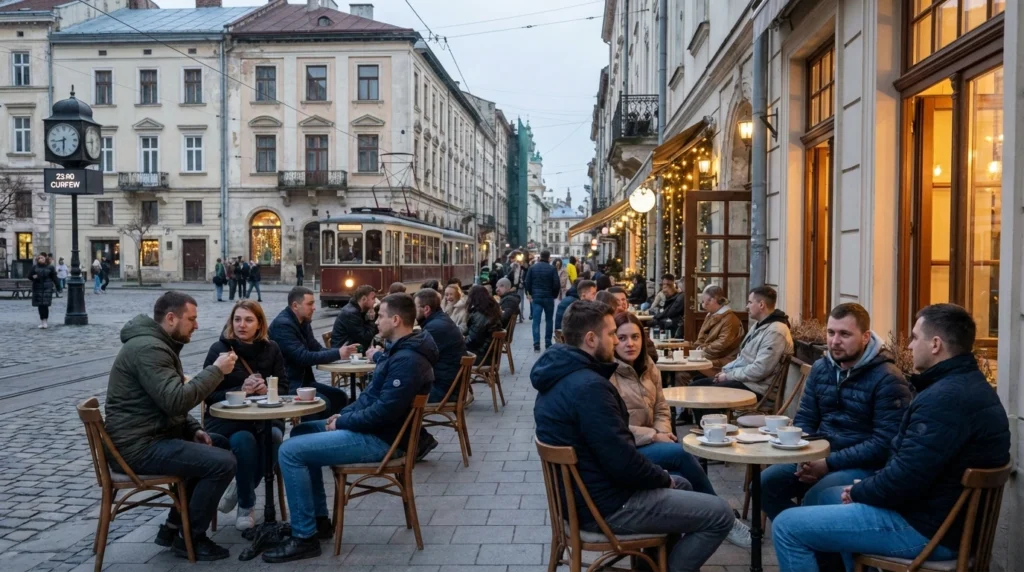
Coffee is not just a beverage in Lviv; it is a fundamental element of the city’s identity. Legend has it that Yuri Kulchytsky, a Lviv native, introduced coffee to Europe, and the city has honored that legacy ever since. In 2026, the coffee culture has evolved into a sophisticated blend of traditional preparation and modern specialty roasting. Visitors should seek out ‘Kava na pisku’ (coffee brewed on sand) for a traditional experience, or visit the Lviv Coffee Manufacture to see beans being ‘mined’ in the cellar. When ordering, remember that a ‘filizanka’ of coffee is meant to be savored slowly, often accompanied by a slice of Lviv Syrnyk—a rich, chocolate-covered cheesecake that is a staple of local dessert menus.
The food scene in Lviv is a reflection of its multicultural history, blending Ukrainian, Polish, Jewish, and Austrian influences into what is known as Galician cuisine. Menus in 2026 are widely available in English, but knowing a few local terms helps. Look for ‘Borsch with vushka’ (small mushroom dumplings) or ‘Banosh’ (corn grits with sour cream and bryndza cheese). Many restaurants are located in historical basements or themed buildings, offering an immersive dining experience. For instance, the venues around the Jewish Quarter often serve traditional dishes accompanied by stories of the city’s pre-war heritage.
When dining out, it is important to remember that the hospitality industry has adapted to the current environment. Reservations are highly recommended, especially for weekend evenings, as many locals and domestic tourists frequent the city’s top-rated spots. Most establishments are fully equipped with power backups and integrated safety protocols, ensuring that your meal is comfortable regardless of external conditions. Securing comprehensive travel coverage through is a practical step for any traveler visiting in 2026, providing peace of mind while exploring the diverse culinary landscape of the Lviv region.
Beyond the City Gates: Castles and Day Trips
Lviv serves as the perfect gateway to the historical heart of Western Ukraine. The ‘Golden Horseshoe’ of castles is the most popular day-trip route, consisting of Olesko, Pidhirtsi, and Zolochiv castles. Olesko Castle, perched on a hill, is one of the oldest in the region and houses an impressive collection of medieval art and wooden sculptures. Pidhirtsi Castle, often compared to Versailles, offers a more haunting beauty; while its interior is still undergoing restoration, the exterior and the surrounding park are breathtaking examples of Renaissance architecture.
In 2026, transportation to these sites has become more streamlined. The development of the new European-gauge railway connecting Lviv to the border has improved regional logistics significantly. For those who prefer a more rural experience, the village of Univ is home to a stunning fortified monastery that remains an active center of spiritual life. When planning these excursions, travelers must ensure their itinerary allows for a return to Lviv well before the evening restrictions begin. Most guided tours are now structured to maximize daylight hours, typically departing at 9:00 AM and returning by 6:00 PM.
Practical Logistics: Curfews, Transport, and Safety
Traveling to Lviv in 2026 requires a degree of mindfulness regarding local regulations. The most significant factor to consider is the curfew, which currently runs from 00:00 to 05:00. During these hours, being on the streets is strictly prohibited for everyone except those with special permits. This means that nightlife in Lviv has shifted earlier. Most bars and restaurants begin to wind down around 10:30 PM to allow staff and guests enough time to reach their accommodation. ‘Curfew-aware’ nightlife has led to the rise of ‘early evening’ culture, with jazz concerts and theater performances often starting at 5:00 PM or 6:00 PM.
Public transportation, including the iconic Lviv trams, usually stops operating around 11:00 PM. Taxis and rideshare apps like Uklon or Bolt are active, but demand spikes sharply in the hour leading up to midnight. It is highly advisable to book accommodation within the central Galician district or the Frankivskyi district to minimize travel time. Furthermore, all visitors should familiarize themselves with the location of the nearest shelter. Most hotels in Lviv have converted their historic basements into high-standard shelters equipped with Wi-Fi and comfortable seating. In the event of an air raid siren, follow the instructions of local authorities and hotel staff immediately.
Finally, ensure that your travel documents and insurance policies are easily accessible. Using ensures that your policy meets the specific requirements for entering Ukraine in 2026, covering potential risks associated with the current security situation. By respecting local laws and staying informed through official channels, your visit to Lviv will be not only safe but deeply rewarding, offering a unique look at a city that masterfully balances its ancient history with a resilient modern spirit.