The Financial Landscape of Ukraine in 2026
Ukraine in 2026 presents a fascinating blend of high-tech digital integration and traditional market culture. As the country continues its path of reconstruction and European integration, the financial systems have become more streamlined and accessible for international visitors. The national currency remains the Hryvnia (UAH), and while the economy has seen adjustments due to new tax laws and wage increases implemented in January 2026, it remains an affordable destination for most Western travelers. Understanding how to manage your funds—from the bustling streets of Kyiv to the serene trails of the Carpathians—is essential for a smooth journey.
Digital payments are the standard in almost every urban center. Ukraine has leapfrogged many Western European nations in terms of contactless adoption. However, the 2026 economic landscape also includes new fiscal realities, such as the increased minimum wage of 8,647 UAH and updated tax structures for small businesses, which have slightly influenced service pricing. Planning your budget requires a look at these modern metrics to ensure your expectations align with the current market.
Digital Payments vs. Cash: Best Practices
By 2026, Ukraine has solidified its reputation as a leader in digital banking. Contactless payments via smartphones and smartwatches are ubiquitous. You can pay for a single metro ride in Kyiv, a coffee at a roadside stand in Zhytomyr, or a souvenir at a boutique in Lviv using Apple Pay, Google Pay, or a physical contactless card. Most travelers find they can go days without touching physical banknotes.
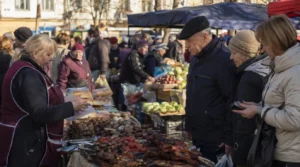
Despite this digital dominance, carrying a small amount of cash is still a strategic necessity. Small towns, rural markets, and certain craft stalls may not always have reliable terminal connections. Furthermore, in the event of localized infrastructure maintenance, having Hryvnia in your pocket ensures you are never stranded. A good rule of thumb for 2026 is to keep around 1,000 to 2,000 UAH in small denominations for emergencies and small purchases.
Scams involving cards are rare if you stick to reputable establishments, but basic digital hygiene applies. Always pay in local currency (UAH) if a terminal asks whether you want to be charged in your home currency; the bank’s conversion rate is almost always superior to the terminal’s Dynamic Currency Conversion (DCC) rate. Before you depart, securing comprehensive travel coverage through is highly recommended, as modern policies often include protections or assistance for financial document loss.
ATM Safety and Currency Exchange Rules
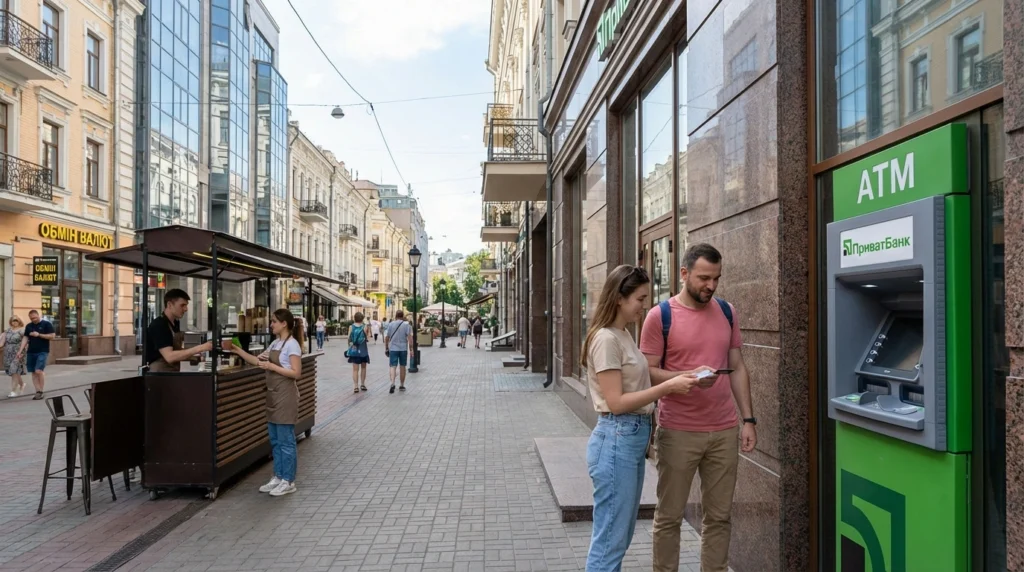
Withdrawing cash in Ukraine is straightforward, but 2026 safety protocols suggest using ATMs located inside bank branches or secure shopping malls. Major banks like PrivatBank, Monobank, and Oschadbank offer English-language interfaces and reliable service. Avoid standalone ATMs in dimly lit areas or those that appear to have been tampered with. Most Ukrainian ATMs do not charge an additional local fee, though your home bank likely will.
Currency exchange in 2026 is strictly regulated by the National Bank of Ukraine (NBU). When exchanging USD, EUR, or GBP, you must use official bank branches or licensed exchange kiosks (obmin valyut). These kiosks are required to display their license and provide a printed receipt. Red flags to watch for include:
- Rates that are significantly higher than the market average.
- Kiosks that refuse to provide a receipt.
- Individuals offering to exchange money on the street (this is illegal and a common setup for theft).
- Damaged or heavily worn foreign banknotes; Ukrainian exchange points are notoriously picky and may reject bills with small tears, ink marks, or significant aging.
Always count your money at the window before leaving. In 2026, many exchange points also require a passport for transactions exceeding certain thresholds, so keep a digital or physical copy of your ID handy.
Budgeting for 2026: Typical Costs and Economic Changes
The start of 2026 brought several legislative changes that have impacted the cost of travel. The increase in the minimum wage to 8,647 UAH and the rise in social security contributions for employees have led to a moderate increase in service sector prices. Travelers should expect to pay slightly more for dining and hospitality than in previous years, though Ukraine remains highly competitive compared to the EU.
Transport and Intercity Travel
The rail network, managed by Ukrzaliznytsia, remains the most efficient way to traverse the country. A high-speed Intercity+ ticket between Kyiv and Lviv typically costs between 600 and 1,200 UAH depending on the class and booking time. City transport is exceptionally cheap; a metro or bus ride in the capital is roughly 15-20 UAH. Ride-hailing apps like Bolt and Uklon are the preferred way to move within cities, with average cross-town trips costing 150-300 UAH.
Dining and Food
Food remains one of the highlights of a Ukrainian trip. A mid-range dinner for two at a trendy restaurant in Odesa or Kyiv will likely range from 1,200 to 2,000 UAH, including drinks. For those on a budget, the legendary “Puzata Hata” or similar cafeteria-style bistros offer hearty traditional meals for under 300 UAH. A specialty coffee in a third-wave cafe is approximately 60-90 UAH.
Accommodation and Museums
Museum entry fees have seen a slight adjustment to account for increased staff salaries, with most major sites charging between 150 and 400 UAH. Hotel prices vary significantly; a high-quality boutique hotel in a city center starts at around 2,500 UAH per night, while modern hostels offer beds for 400-700 UAH. When booking, ensure your provider includes all local tourist taxes in the quoted price to avoid surprises at checkout.
Tipping Etiquette and Service Charges
Tipping in Ukraine is appreciated but not mandatory. In 2026, the standard practice in restaurants and cafes is to leave a 10% tip for good service. Many establishments now allow you to add a tip directly to the card transaction before you tap your phone, though cash tips are often preferred by staff as they reach the server directly. For taxi drivers, rounding up the fare is common practice. In hotels, a tip of 50-100 UAH for porters or housekeeping is a kind gesture that reflects the local 2026 economic context, where service workers have seen significant shifts in their base remuneration and social benefits.
As you navigate these financial interactions, remember that your presence supports an economy in a state of active growth. By using official channels for exchange and respecting local tipping customs, you contribute directly to the stability of the communities you visit. For a worry-free experience, ensure your travel logistics are backed by a policy from , allowing you to focus on the rich cultural experiences Ukraine offers in 2026.