Choosing Your Path: The Western Fortress Ring vs. Central Heritage
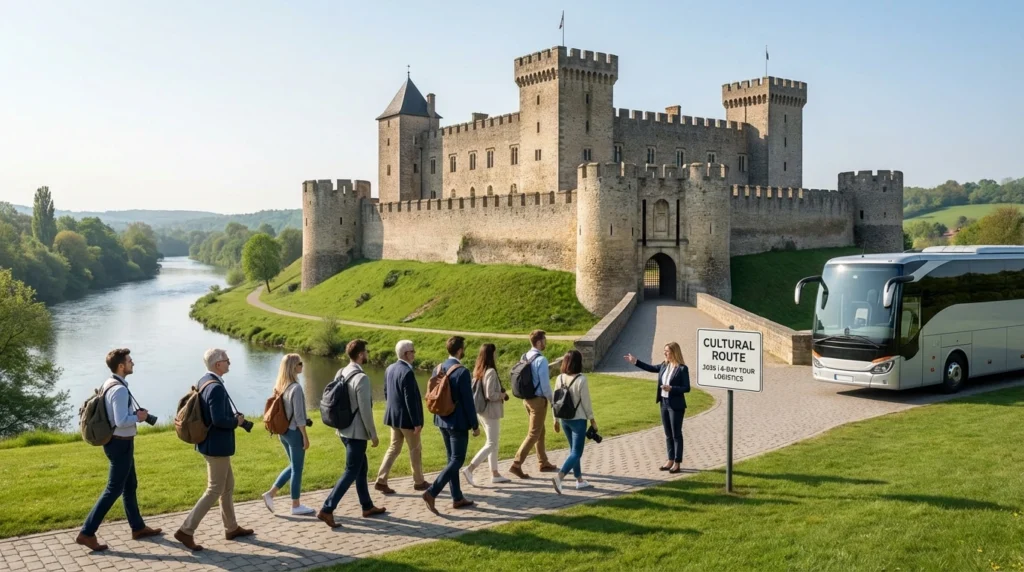
As Ukraine continues to welcome a growing number of international travelers in 2026, the demand for structured cultural routes has led to significant improvements in regional infrastructure. For those seeking the densest concentration of medieval history, the Western Fortress Ring remains the premier choice. This route typically begins in Lviv and winds through the Ternopil and Khmelnytskyi regions, culminating in the dramatic river-side fortifications of the Dniester.
Travelers arriving from European hubs like Rzeszow or Suceava will find the Western route most accessible. The Ukrainian railway network has expanded its Intercity+ services, making the leap from the border to Lviv faster than ever. However, to truly explore the ‘Golden Horseshoe’ of Lviv region or the hidden gems of Podillia, renting a car is highly recommended. Modern highways now connect major heritage sites, though secondary roads to smaller villages like Dzembronia still offer a more rugged, authentic experience. Before setting out, ensure you have secured comprehensive travel coverage through , which is a standard requirement for entry and provides peace of mind while navigating rural landscapes.
The Central Heritage route, focusing on Kyiv, Chernihiv, and Poltava, offers a different aesthetic. Here, the skyline is dominated by the golden domes of Baroque cathedrals and the intricate brickwork of Kyivan Rus-era structures. This path is better suited for those using the high-speed rail system, as Kyiv serves as the central hub for all major directions.
The 6-Day Western Route Itinerary: From Lviv to the Dniester
Days 1-2: Lviv, the Living Museum. Begin your journey in the UNESCO-listed Old Town. Allocate your first day to the Latin Cathedral and the Armenian Cathedral, both of which showcase centuries of multi-ethnic religious history. On the second day, take a short drive to the ‘Golden Horseshoe’—the castles of Olesko, Pidhirtsi, and Zolochiv. These sites have seen extensive restoration recently, with Pidhirtsi offering a hauntingly beautiful example of a Renaissance palace-fortress.
Day 3: The Spiritual Heart of Ternopil. Move south toward Ternopil. Stop at the Zbarazh Castle, a 17th-century fortification that played a pivotal role in the Cossack-Polish wars. The museum inside houses an impressive collection of wooden sculptures and medieval weaponry. Spend the evening in Ternopil, enjoying the lakeside promenade and the local culinary scene.
Day 4: The Majestic Kamianets-Podilskyi. This is the highlight for many. The Old City of Kamianets-Podilskyi is situated on a rocky island formed by the Smotrych River canyon. The fortress, with its twelve towers, looks particularly stunning during the ‘Golden Hour’ before sunset. Allocate at least four hours for the castle complex alone, including the underground galleries and the New Bridge.
Day 5: Khotyn Fortress and the Dniester. A short 30-minute drive from Kamianets leads to Khotyn. This 15th-century fortress is famous for its massive 40-meter-high walls and its role in major European battles. The site is remarkably well-preserved, offering a stark, powerful silhouette against the river. In 2026, many visitors opt for a boat tour on the Dniester to view the fortress from the water, providing a unique perspective for photography.
Day 6: Chernivtsi and the Residence. Conclude your tour in Chernivtsi. The main attraction here is the Residence of Bukovinian and Dalmatian Metropolitans, now home to Chernivtsi National University. This architectural masterpiece blends Byzantine, Gothic, and Moorish styles. It is essential to book a guided tour here to access the stunning Marble and Red Halls.
Practicalities: Tickets, Photography, and Professional Guides
Navigating heritage locations in 2026 has become increasingly streamlined. Most major sites, including Kamianets-Podilskyi and the Lviv cathedrals, now utilize e-ticketing systems. It is advisable to purchase tickets online via official museum portals to avoid queues, especially during the peak summer months. Ticket prices generally range from 100 to 300 UAH, with additional fees for professional photography equipment or drone usage.
Photography rules have become more specific to protect the integrity of ancient frescoes. In cathedrals like St. Sophia in Kyiv or the Armenian Cathedral in Lviv, flash photography is strictly prohibited. Drones are permitted at outdoor fortress sites like Khotyn, but operators must follow local regulations and often register their flight path with site administration for safety reasons.
Hiring a certified guide is the best way to uncover the layers of history that aren’t always visible on placards. Many sites now offer QR-code-based audio guides in multiple languages, but a private guide can provide deeper context into the 2026 restoration efforts and the legends associated with each bastion. When booking, look for guides certified by the National Tourism Organization of Ukraine.
Regional Flavors and Accommodations
The culinary landscape along the castle route is as diverse as the architecture. In the Ternopil and Khmelnytskyi regions, look for ‘Podillian-style’ dishes. A local specialty is the ‘Zinkiv sausage,’ known for its distinct black color and smoky garlic flavor. In Kamianets-Podilskyi, many restaurants located within the Old Town serve traditional game meats and river fish prepared according to 18th-century recipes.
For those venturing toward the Carpathian foothills or villages like Dzembronia, Hutsul cuisine is a must. Banosh (corn grits cooked with sour cream and topped with bryndza cheese) and mushroom soup made from wild porcini are staples. These mountain villages have seen a rise in high-end eco-resorts that blend traditional wooden architecture with modern luxury, providing a perfect contrast to the stone fortresses of the plains.
Accommodation options have modernized significantly. While Lviv and Chernivtsi offer boutique hotels in restored 19th-century buildings, the areas around Kamianets-Podilskyi now feature several ‘castle-hotels’ where you can stay in renovated historic structures. Always check for the ‘Safe Stay’ certification, a standard in 2026 that ensures high service and safety protocols. To ensure you are fully protected throughout your stay, remember that offers tailored packages for cultural tourists, covering everything from medical emergencies to travel delays.
Planning a 6-day route requires a balance between transit and immersion. By focusing on the Western Ring, you experience the architectural evolution of Ukraine from the medieval period through the Renaissance and into the modern era, all while enjoying some of the most scenic landscapes Eastern Europe has to offer.