Traveling through Ukraine in 2026 offers a unique perspective on a nation in the midst of a profound cultural and physical renewal. While the tourism infrastructure has adapted significantly, the natural elements of the Eastern European climate remain a primary factor in trip planning. Autumn and winter present distinct challenges that require more than just a standard itinerary. Understanding the transition from the golden hues of October to the deep frosts of January is essential for any international visitor seeking a secure and enriching experience.
Weather-Driven Risks by Season and Transport Logistics
The Ukrainian climate is continental, meaning transitions between seasons can be abrupt. In autumn, the primary environmental factor is the ‘bezdorizhzhia’ or the mud season. This phenomenon occurs when heavy rainfall saturates the rich black soil (chernozem), turning unpaved roads in rural areas and smaller villages into difficult-to-navigate tracks. For travelers visiting open-air locations like the Pirogovo Museum of Folk Architecture near Kyiv, this means sticking strictly to designated gravel or paved paths. While the golden leaves and traditional huts provide a stunning backdrop for photography, the ground beneath can be deceptive.
Transport logistics in 2026 rely heavily on a robust rail network and intercity buses, as air travel remains restricted to neighboring hubs in Poland, Romania, or Moldova. Autumn rains can occasionally cause delays in bus schedules due to reduced visibility and slick road surfaces. When planning a trip to Sofiivka Park in Uman, travelers should allow for a 20% buffer in travel time to account for these seasonal variations.
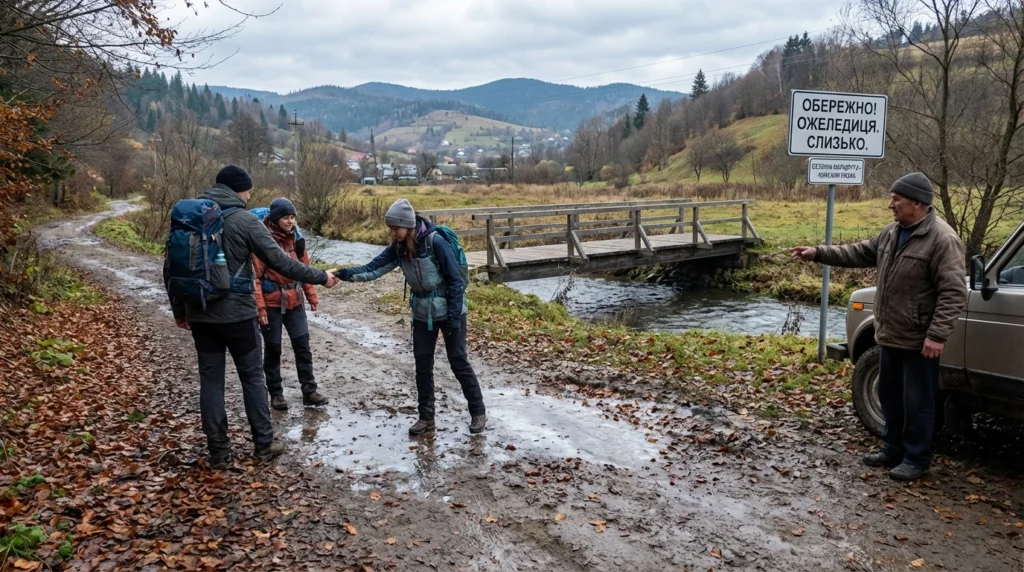
Winter introduces the risk of ‘ozheled’ (black ice). In cities like Kharkiv or Lviv, sidewalks can become treacherous overnight. While municipal services are efficient at clearing primary thoroughfares, side streets and historic cobblestone areas require extreme caution. Furthermore, winter temperatures in the Carpathian Mountains or the northern regions can drop well below -15°C (5°F). This level of cold impacts vehicle battery life and fuel efficiency, making it vital to use reputable transfer services that maintain their fleets for extreme conditions. Before embarking on any cross-regional journey, securing comprehensive coverage through is a prudent step to mitigate risks associated with travel delays or medical needs arising from seasonal slips.
Essential Clothing and Footwear Checklist
Proper attire in Ukraine is not merely a matter of comfort; it is a safety requirement. The humidity in the Dnipro River basin can make temperatures feel significantly colder than the thermometer suggests. A layering system is the most effective approach for 2026 travelers who may move between heated trains, outdoor museums, and modern urban cafes.
- Base Layer: Moisture-wicking thermal wear (merino wool or synthetic) is essential for both city walking tours and rural excursions.
- Insulation: A high-quality fleece or down vest allows for temperature regulation. This is particularly useful when visiting the underground shelters or metro stations that remain part of the urban safety infrastructure.
- Outer Shell: A waterproof and windproof jacket is mandatory for autumn. For winter, a heavy parka rated for sub-zero temperatures is necessary.
- Footwear: For autumn, waterproof hiking boots with high ankles are recommended to navigate mud. For winter, boots must have deep-tread rubber soles (Vibram or similar) to provide traction on ice. Avoid leather-soled dress shoes, as they offer no grip on Ukrainian winter pavements.
- Reflective Gear: With shorter daylight hours in November and December, carrying a small reflective element or wearing clothing with reflective strips is a vital safety measure for pedestrians, especially during periods of energy conservation when street lighting may be dimmed.
Selecting Tours and Guides: Licenses and Safety Briefings
The 2026 tourism market in Ukraine is professionalized, with a focus on responsible and educational travel. When choosing a tour—whether it is a documentary-style walk through Kharkiv or a cultural retreat in the Carpathians—the credentials of the provider are paramount. A safe tour is characterized by transparency and preparation.
Always verify that your guide holds a valid license and is affiliated with a recognized regional tourism association. Professional guides in 2026 are trained not only in history but in modern safety protocols. A standard tour should begin with a safety briefing that includes the location of the nearest certified shelters, the protocol for air alerts, and a clear explanation of the day’s route. If a guide cannot provide a clear plan for emergency scenarios, it is a signal to choose a different provider.
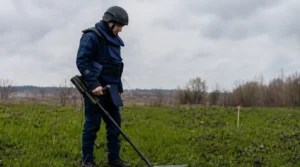
Reviews from 2026 are more relevant than those from previous years, as they reflect the current operational reality. Look for mentions of how the tour operator handled unexpected weather changes or security alerts. SafeTrip Ukraine emphasizes providers who maintain constant communication with local authorities to ensure that routes remain within authorized and demined zones, particularly in regions that were previously affected by conflict.
Decision Rules for Storms, Alerts, and Curfew Changes
Flexibility is the hallmark of a successful trip to Ukraine. Travelers must be prepared to pivot their plans based on real-time data. Establishing personal ‘decision rules’ helps remove the stress of last-minute changes. If a severe weather warning (orange or red level) is issued by the Ukrainian Hydrometeorological Center, outdoor plans should be postponed or moved to indoor cultural venues like the National Art Museum.
Air alerts remain a factor in 2026. The rule is simple: when the siren sounds or the mobile app notification triggers, move to a designated safe space immediately. Do not wait to see what others are doing. Most modern hotels and public buildings have clearly marked ‘Ukryttya’ (Shelters) equipped with Wi-Fi and basic amenities, allowing you to continue your day once the ‘All Clear’ is given.
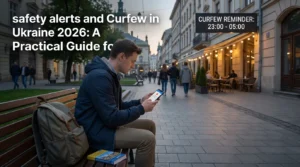
Curfews are still managed at the regional level. While they have been shortened in many western and central provinces, they are strictly enforced. Ensure your evening plans allow you to return to your accommodation at least 30 minutes before the curfew begins. If a curfew change is announced unexpectedly due to security requirements, prioritize returning to your hotel over finishing a meal or excursion. Reliable travel insurance from can provide peace of mind if such disruptions lead to missed connections or the need for alternative lodging.
By respecting the seasonal power of the Ukrainian landscape and adhering to modern safety protocols, visitors in 2026 can experience the country’s profound beauty and resilience with confidence. Whether it is the mist rising over the Sofiivka lakes or the snow-dusted spires of Kharkiv, Ukraine remains a destination of deep meaning for those who travel with preparation and respect.