Where you can swim safely
You need to choose swimming places carefully in Ukraine. The safest option is a designated beach or lido with local management, lifeguards, and posted rules. Do not assume that a lake, river, or sea beach is safe just because people are there.
In 2026, the best-known inland swimming areas include the Shatsk Lakes in Volyn region, some designated beaches on the Dnipro in Kyiv, and the Dnister area in Ternopil region. These places can still change in quality and access from season to season. Check local advice before you go.
The Black Sea coast in Odesa region also has swimming beaches, but you need to be extra careful. Some coastal areas can have mine risks or other restrictions. Only use beaches that local authorities have cleared for public use.
How to check if a swimming spot is safe
Before you get in the water, check three things: local safety notices, water quality, and access rules. If a beach is closed, fenced off, or marked with warning signs, do not enter. If there is no clear information, treat the spot as unsafe.
Look for these signs of a safer place to swim:
- Official opening hours or seasonal rules
- Lifeguards or rescue posts
- Marked swimming zones
- Clear entry points and no warning signs
- Local information from the city, community, or resort
You should also check the weather and recent rainfall. Heavy rain can affect water quality and make river currents stronger. After storms, avoid swimming until local authorities say conditions are normal again.
If you are staying in a hotel, sanatorium, or holiday base, ask the staff which beach or pool is currently open and approved. Do not rely on old reviews or outdated map listings.
Lakes, rivers, and sea: what to expect
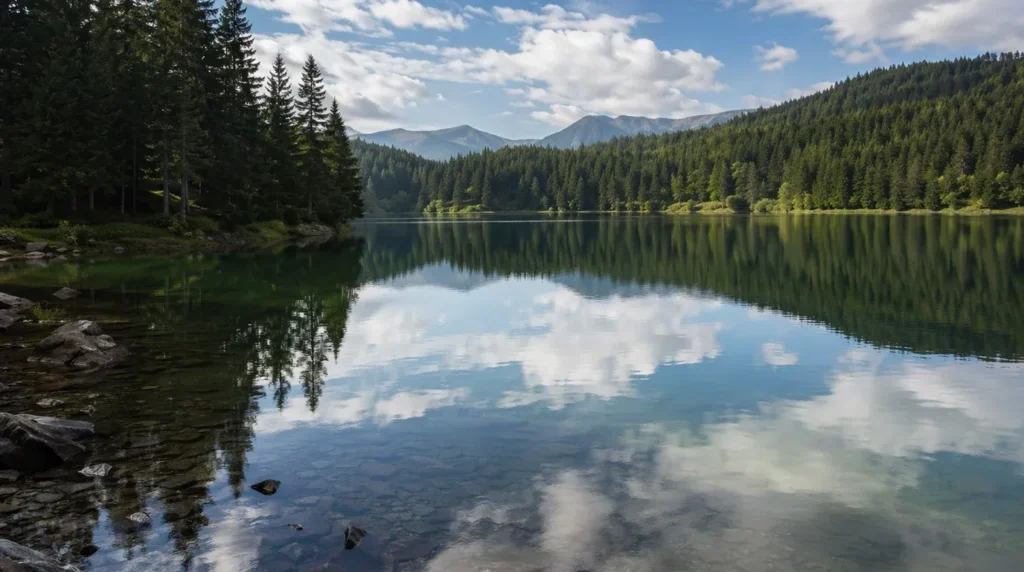
Ukraine’s natural swimming places vary a lot. Lakes are often calmer than rivers, but they can still have cold water, sudden depth changes, and poor access. Rivers can be pleasant in warm weather, but currents may be stronger than they look from the bank.
Shatsk Lakes are a good example of a lake area that many visitors use for swimming. The water is often clear, but facilities and access points differ from one lake to another. Expect a quieter setting and simple infrastructure in some places.
Lake Synevyr is well known in the Carpathians. It is popular for visits, but the water is cold even in summer. That makes it less suitable for long swims. If you do enter the water, keep it brief and do not swim far from shore.
The Dnipro in Kyiv has designated swimming beaches in some districts. These are better than random riverbanks or unofficial spots. Use only the sections that are clearly marked for swimming, because the river is large and conditions can change quickly.
The Dnister in the Ternopil area is another place where river swimming is common. Even there, you need to check local conditions. Riverbanks can be steep, muddy, or affected by currents. Enter slowly and stay within the designated area.
What to avoid in 2026
Do not swim in any place with mine warnings, military restrictions, or unclear access. This is especially important on the Black Sea coast and in any area near restricted zones. If a beach has no current local clearance, do not treat it as open.
Avoid wild swimming in places with no supervision if you are not sure about the depth, current, or bottom. Do not jump from bridges, piers, or rocks unless the site is officially set up for that and you know it is allowed.
You should also avoid swimming when visibility is poor, after dark, or when you are tired, cold, or have been drinking alcohol. Those are common causes of accidents in natural water.
Practical rules before you enter the water
- Check the latest local advisory on the day you plan to swim.
- Use only beaches or lidos that are open and clearly designated.
- Ask locals or your accommodation about current restrictions.
- Watch for currents, cold water, and sudden drops in depth.
- Keep children within arm’s reach.
- Leave the water at the first sign of bad weather or warning flags.
If you are swimming in a river or lake for the first time, enter slowly. Test the water temperature. Stay close to shore until you know the conditions. If the water feels much colder than expected, get out. Cold shock can happen quickly.
Bring drinking water, sun protection, and a dry change of clothes. Many outdoor swimming spots have limited facilities. Do not assume there will be showers, rescue cover, or food nearby.
What to do if conditions change
Conditions can change during the day. A beach that is open in the morning may close later because of weather, water quality, or security concerns. If staff or local authorities tell you to leave, do so immediately.
If someone gets into trouble, call emergency services at 112. If there is a lifeguard or rescue team on site, alert them first and follow their instructions. Do not enter dangerous water to help unless you are trained and it is safe to do so.
For the most reliable trip, plan swimming as a flexible activity rather than a fixed one. Have a backup plan such as a pool, spa, or another approved beach if your first choice is closed.
FAQ
Can you swim in natural water in Ukraine in 2026?
Yes, in some places you can. Use designated beaches, approved lidos, and sites with current local guidance. Do not swim in an area that is closed, unmarked, or affected by security warnings.
Are the Shatsk Lakes safe for swimming?
They are among the cleaner lake areas in Ukraine and are commonly used for swimming. You still need to check the exact lake, access point, and current local conditions before you go.
Can you swim in the Dnipro in Kyiv?
Yes, but only at designated swimming beaches. Do not use random riverbanks or unofficial entry points. Check current city guidance before entering the water.
Is Lake Synevyr good for swimming?
It is better known for visits than for long swims. The water is cold, even in summer. If you swim there, keep it short and stay close to shore.
Is the Odesa coast safe for swimming?
Some beaches are open, but you need to check local clearance first. Parts of the coast can have mine risks or restrictions. Only use beaches that local authorities have confirmed as safe.
What is the safest rule for swimming in rivers and lakes?
Only swim where the area is officially open, clearly marked, and current information is available. If you are unsure, do not enter the water.