The Reality of Secondary Screening at Land Borders and Transport Hubs
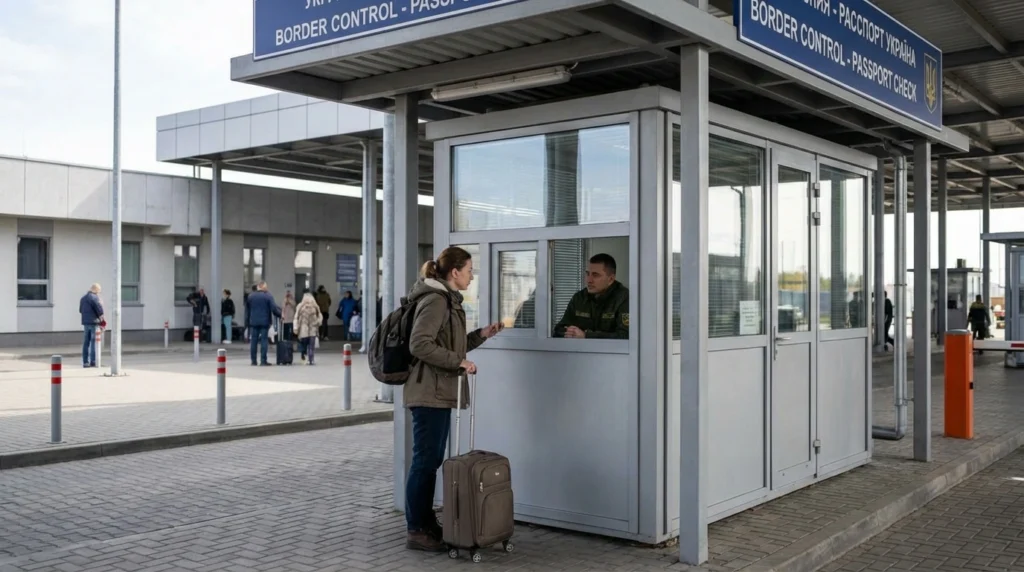
In 2026, Ukraine maintains a rigorous security posture at all land border crossings. While the western borders with Poland, Slovakia, Hungary, Romania, and Moldova remain the primary gateways for international travelers, the State Border Guard Service (SBGS) utilizes a multi-tiered screening process. Most travelers pass through primary inspection—the standard passport control booth—within minutes. However, a percentage of visitors are directed to ‘secondary screening.’
Secondary screening typically occurs in a separate office or a designated waiting area near the checkpoint. In 2026, this is common at high-traffic hubs like Medyka–Shehyni, Korczowa–Krakovets, and the train station in Przemyśl. Being pulled aside does not imply criminal suspicion; rather, it indicates that the border officer requires additional verification of your purpose of stay, financial means, or travel history. During this phase, officers may conduct a more thorough interview, inspect electronic devices, or verify the authenticity of your supporting documents, such as hotel bookings or volunteer invitations.
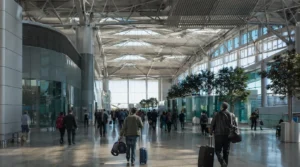
At transport hubs like the Rzeszów-Jasionka Airport in Poland or Chisinau International Airport in Moldova, where many travelers transition to buses or trains heading into Ukraine, preliminary document checks by carriers are also standard. However, the official secondary screening only happens at the physical Ukrainian border. Expect the process to take anywhere from thirty minutes to several hours depending on the complexity of your case and the current queue at the checkpoint.
Clear Communication: Rights, Language, and Documentation
Effective communication is the most critical factor in resolving a secondary screening successfully. Border guards in 2026 are generally professional and often speak functional English, particularly at major checkpoints like Vyšné Nemecké–Uzhhorod or Palanca–Maiaky–Udobne. If a language barrier exists, you have the right to request a translator or use a reliable translation application on your phone to ensure you understand the questions being asked.
When answering questions, remain concise and consistent. Discrepancies between your verbal answers and your written documentation are the most frequent triggers for an entry denial. If you are visiting for humanitarian reasons, have the contact details of your local host ready. If you are a digital nomad or a tourist visiting Lviv or Kyiv, ensure your financial proof—bank statements or mobile banking apps—is accessible. In 2026, the standard requirement for financial sufficiency is calculated based on the duration of your stay plus a five-day reserve.
A vital rule for any traveler is to never sign documents you do not fully understand. If an officer presents a ‘Decision on Refusal of Entry’ or any statement in Ukrainian, you are entitled to a clear explanation of its contents. If the document contains inaccuracies regarding your situation, politely point them out. You have the right to provide additional evidence on the spot, such as a phone call to a business partner or a notarized invitation, which might resolve the officer’s concerns before a formal refusal is issued.
Understanding Refusal Records and Future Entry Impact
If the SBGS decides to deny entry, they will issue a formal ‘Decision on Refusal of Entry into Ukraine.’ This document specifies the legal grounds for the denial, such as ‘failure to prove the purpose of the trip’ or ‘insufficient funds.’ In 2026, these records are digitized and immediately uploaded to the national border security database. A refusal is not a permanent ban unless it is accompanied by a specific ‘Entry Ban’ (typically 3 to 10 years), which is usually reserved for those who provide forged documents or have previously overstayed their visa.
A standard refusal means you must return to the country of departure (e.g., Poland or Moldova) immediately. This record will be visible to border officers during any future attempt to enter Ukraine. Multiple refusals in a short period can lead to increased scrutiny and may eventually result in a long-term ban. It is essential to keep the physical copy of the refusal document, as it outlines the exact reason for the denial, which is necessary for correcting your documentation for a future attempt.
Travelers should also be aware that a refusal at a land border can affect your status with insurance providers. Most specialized travel insurance policies for Ukraine in 2026 require a valid entry stamp to remain active. If you are denied entry, your policy may not cover expenses incurred during your return journey or for subsequent attempts unless specifically stated in your terms of service.
Developing a Re-Entry Strategy: Documentation and Checkpoint Selection
A successful re-entry after a denial requires a complete overhaul of your approach rather than a simple change of scenery. Attempting to cross at a different checkpoint, such as moving from Medyka to Hrebenne, just hours after a refusal is rarely successful because the digital record of your denial follows you instantly. Instead, take 48 to 72 hours to address the specific reason cited in your refusal document.
If the denial was due to ‘unclear purpose of travel,’ secure a more robust invitation. In 2026, a notarized invitation from a Ukrainian citizen or a registered legal entity is the gold standard for entry. If the issue was financial, ensure you have printed bank statements from the last three months showing a stable balance. Once your documentation is corrected, consider choosing a different mode of transport. For instance, if you were denied at a vehicle checkpoint, entering via the Intercity+ train from Przemyśl to Kyiv can sometimes offer a more streamlined processing environment, as documents are often checked while the train is in motion or at dedicated terminal facilities.
Consulting with migration specialists or legal experts in Ukraine is a prudent step if you believe the refusal was unjustified. They can help draft a formal appeal to the Regional Directorate of the Border Guard Service. In 2026, an appeal must be filed within 30 days of the refusal. While an appeal does not guarantee immediate entry, a successful reversal of the decision clears your record in the database, making future travel to cities like Lviv, Odesa, or Kyiv significantly smoother.