Travel to Ukraine in 2026 is a deliberate choice for many foreigners: to experience a country rebuilding, to support local businesses, and to see modern Ukrainian culture beyond stereotypes. For travelers with a criminal record, the key is planning. Ukraine’s entry process can involve both formal checks (especially for visa applicants) and practical discretion at the border. A past conviction may be irrelevant in one case and decisive in another—depending on the type of offense, how long ago it occurred, and what information appears in databases or your documents.
This guide explains where criminal history matters most, what can lead to refusal, which documents reduce uncertainty, and how to answer questions without creating bigger problems than the record itself.
When criminal history matters: visa applications vs border discretion
Two different “filters” affect entry:
- Visa screening (for travelers who need a visa or apply for a long-term D visa): you submit forms and supporting documents in advance. Consular officers can request clarifications and may run checks based on the information you provide.
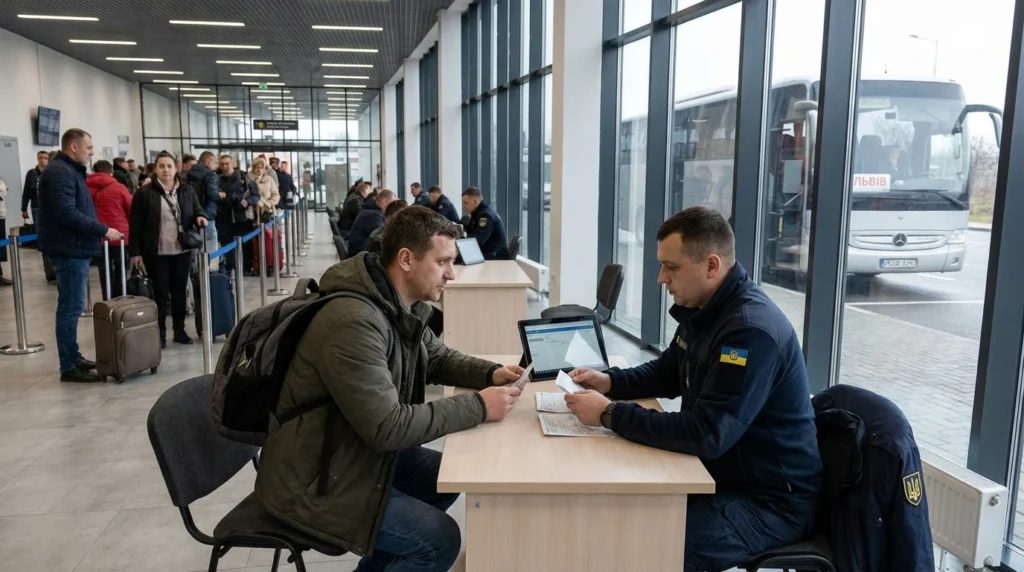
- Border screening (for everyone, including visa-free travelers): border guards decide whether you meet entry conditions and whether there are legal grounds to refuse entry.
Visa-free entry doesn’t mean “no questions.” Citizens of many countries (including the EU, UK, US, Canada, Japan, South Korea, Australia, and others) can enter visa-free for up to 90 days within a 180-day period. Even on visa-free entry, border officers can ask about your trip, funds, accommodation, and prior travel—and may ask about criminal history if something triggers it (alerts, inconsistent answers, or documentation issues).
When a record is more likely to matter:
- Recent convictions or ongoing court matters (probation, parole, pending charges).
- Serious violent offenses, weapons offenses, organized crime links, or offenses tied to public safety.
- Drug trafficking or distribution (more serious than minor possession in many screening contexts).
- Document-related crimes (fraud, identity offenses) because they raise concerns about travel documents and credibility.
- Prior immigration violations in Ukraine or elsewhere (overstays, removals, bans, forged invitations).
What can block entry in practice (typical risk factors):
- An active entry ban (from Ukraine or other relevant systems).
- Outstanding warrants or international alerts.
- Inability to prove the purpose of travel (no clear itinerary, no accommodation, inconsistent story).
- Suspected intent to work illegally on a tourist entry.
- Misrepresentation (lying about your record, presenting altered documents, or giving contradictory answers).
Important nuance: a criminal record alone is not always a “hard no.” Many travelers with older, minor convictions enter without issues—especially when the trip is short, the purpose is clear, and documents are consistent. Problems usually arise when the record is serious, recent, connected to security risks, or when the traveler cannot explain their situation coherently.
Documents that help: court dispositions, translations, and explanation letters
If you have any concern that your record could surface during screening, prepare a small “entry file” you can show if asked. The goal is not to overshare at the border; it’s to be ready to clarify quickly and credibly.
1) Court disposition / judgment (certified if possible)
Bring a document that shows:
- the exact offense name and statute,
- the date of conviction,
- the sentence imposed,
- confirmation that the sentence is completed (if applicable).
2) Proof of sentence completion
Examples: probation completion letter, release certificate, payment confirmation for fines, or a statement showing no outstanding obligations.
3) Police certificate / background check (when it helps)
A recent police certificate can help when:
- you’re applying for a long-term visa (D) or residence-related process,
- your conviction is old and the certificate shows “no record” due to expungement rules,
- you want to demonstrate there are no additional offenses beyond what you disclose.
4) Professional translations
If your documents are not in Ukrainian or English, prepare translations. For border use, a clear English translation is often practical; for formal filings, Ukrainian translations may be required depending on the procedure. Keep originals and translations together.
5) A short explanation letter (one page)
Write it like a business memo—calm, factual, and brief:
- what happened (in neutral terms),
- when it happened,
- the outcome (sentence and completion),
- why you’re traveling to Ukraine (tourism, family visit, business meetings, volunteering with invitation, etc.),
- why you will comply with the rules (return ticket, job/family ties, booked accommodation).
6) Trip-proof documents to reduce “discretion risk”
Border decisions often hinge on whether your travel looks legitimate and well-prepared. Useful items:
- hotel bookings or a host address,
- return/onward ticket,
- proof of funds (recent bank statement or card limits),
- travel itinerary with cities and dates,
- invitation letter (for business/volunteering) with contact details.
Practical packing tip: keep a printed folder and a phone folder. If your phone battery dies or roaming fails at a checkpoint, paper copies can save hours.
How to answer questions without misrepresentation
Many entry problems come from how travelers answer—not from the conviction itself. The safest approach is truthful, minimal, consistent communication.
1) Don’t volunteer details unless asked
If an officer asks standard questions (purpose of visit, length of stay, where you’ll stay), answer those directly. If they ask about criminal history, then address it.
2) If asked about convictions: be direct and brief
A good structure:
- Yes/no (clear answer),
- what and when (basic facts),
- status (completed sentence / no pending matters),
- documents available (offer to show disposition).
Example phrasing:
“I had a conviction in 2017 for [offense]. The case is closed and the sentence was completed in 2019. I have the court disposition and completion letter with me if you need to see them.”
3) Never guess what the officer “wants to hear”
If you don’t understand a question, ask for clarification. If you don’t know an exact date, say you don’t recall precisely and offer the document with the date.
4) Avoid minimizing or re-litigating the case
Border interviews are not the place to argue innocence or criticize the legal system. Keep it factual and focused on compliance.
5) Don’t create contradictions across documents
Common mistakes:
- stating “tourism” but carrying a resume and job-search emails,
- claiming a short stay but having no return plan,
- denying a conviction that appears on a certificate, visa form, or database.
6) If you’re applying for a visa: disclose exactly what the form asks
Visa forms can include questions about convictions, arrests, deportations, or bans. Answer precisely and attach a short explanation and court documents where appropriate. A refusal for misrepresentation can be more damaging than a refusal based on the offense itself.
Risk-reduction: route choice, timing, and backup plans if refused
In 2026, most foreign travelers reach Ukraine via neighboring countries and cross by land. Planning your route and timing can reduce stress and improve your odds of a smooth entry.
1) Choose a route with strong infrastructure and clear procedures
Popular approaches include flying to a nearby hub and continuing by bus/train/car to the border. Consider border crossings known for handling international passenger flows efficiently. If traveling with complex documentation, a major checkpoint can be easier than a small, remote crossing.
2) Travel during “normal hours”
Late-night arrivals can mean fewer staff, longer waits, and limited options if you need clarification or translation help. Daytime crossings also make it easier to contact your host, hotel, or inviting organization if an officer wants confirmation.
3) Keep your story aligned with your entry status
If you’re entering visa-free as a tourist, your documents should look like tourism: bookings, itinerary, funds, return plan. If you’re coming for volunteering, business, or study, carry the proper invitations and be ready to explain the structure of your visit. Mismatched purpose is a common trigger for refusal—especially for travelers who already expect extra scrutiny.
4) Build a “refusal buffer” into your itinerary
Don’t schedule non-refundable domestic connections in Ukraine immediately after the border. If refused, you may need to return to the neighboring country the same day and reorganize plans.
5) Have a practical backup plan if refused entry
- Where you will stay on the other side of the border (hotel in the neighboring country).
- How you will communicate (roaming/eSIM, power bank, key phone numbers on paper).
- Who can help: your inviting organization, hotel host, or legal representative—someone who can confirm your purpose quickly.
- How you will get home: flexible tickets or a plan to return to the departure city.
6) Consider professional pre-check advice for higher-risk cases
If your history involves serious offenses, multiple convictions, recent release, or any prior immigration bans, get individualized legal guidance before travel. A tailored plan can include which documents to legalize/translate, how to frame the purpose of travel, and whether a visa route is safer than visa-free entry for your situation.
7) Don’t forget the basics that still cause refusals
Even travelers with no record get refused for simple reasons: no proof of funds, unclear accommodation, overstaying history, or inconsistent answers. If you’re concerned about criminal history, eliminate every other avoidable weakness.
Quick preparation checklist (printable)
- Passport valid for the intended stay
- Proof of accommodation (booking or host details)
- Return/onward ticket or clear exit plan
- Proof of funds (statement/card)
- Court disposition/judgment + proof of completion
- Translations (as needed) + originals
- One-page explanation letter
- Key contacts printed (host, hotel, organization)
Ukraine in 2026 rewards prepared travelers. If you have a criminal record, preparation is less about “convincing” someone and more about removing uncertainty: clear purpose, consistent documents, and honest answers that match what your paperwork shows.