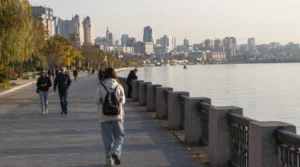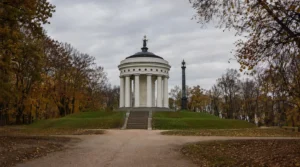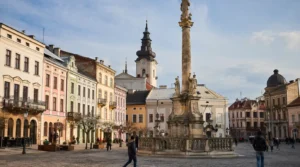
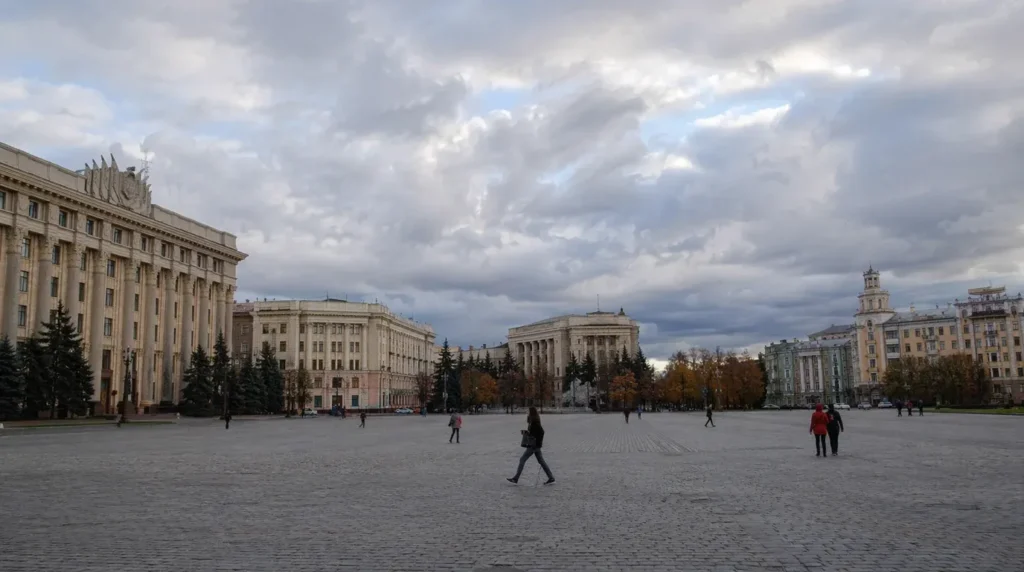
Kharkiv is open to visitors in 2026, but you need to treat it as a city with active wartime risks. The centre, many cultural venues, the university area, and the main market district continue to function. Some eastern districts have damage and are less suitable for visitors. Plan your trip with alerts, shelter access, and flexibility in mind.
What to expect on arrival
You can still reach Kharkiv by rail from Kyiv, usually in about 4 to 5 hours depending on the service. Trains are the most practical option for most visitors. If you arrive by road, expect checks, changing routes, and delays. Build extra time into your plans and avoid tight same-day connections.
Air-raid alerts are part of daily life. Services may pause during alerts, and you may be asked to move to shelter or wait before continuing. Keep your phone charged, download local alert apps before you travel, and make sure you know the nearest shelter in your hotel or apartment building.
You should also register your trip with your embassy if your country offers that service. Share your itinerary with someone at home. Keep your passport, insurance details, and emergency contacts easy to reach.
Where to stay and which areas to avoid
Choose accommodation in the western or central parts of the city. These areas are generally more practical for visitors because they are better connected and usually have more open services. Ask your host or hotel how they handle alerts and whether the building has a shelter or a basement that guests can use.
Avoid planning a stay in eastern districts that have seen heavier damage or repeated disruption. If you are unsure about a neighbourhood, check current local advice shortly before booking rather than relying on older travel information. Conditions can change quickly.
When you book, check these points:
- How you enter the building during an alert
- Whether there is shelter space on site or nearby
- Whether the property has backup power and water
- How late you can check in if trains are delayed
- What happens if you need to leave suddenly
Culture and places that are still worth your time
Kharkiv has a strong cultural identity and a long university tradition. Some museums, galleries, theatres, and educational spaces continue to operate, though opening hours can change. Check each venue on the day you plan to visit. Do not assume a place that was open last week is still open today.
The central market area remains one of the city’s most useful places for everyday life. It gives you a sense of how the city works now, not just how it looked before the war. You can also spend time in central streets, parks that are currently open, and neighbourhoods with active cafés and services. Keep your visits short and practical. Do not plan a full day of fixed appointments.
If you want to understand the city’s history, focus on institutions that explain Kharkiv’s role as a university centre, industrial city, and cultural hub. Some sites may have limited access or altered exhibitions. Ask staff what is currently available rather than assuming full normal operations.
Day trips and movement around the region
In 2026, day trips from Kharkiv need caution. You should only travel to places that are currently assessed as safe for civilian movement. Do not improvise trips to border areas or to locations you have not checked in advance. The situation in the wider region can change without much notice.
Within the city, taxis and ride-hailing can be useful, but availability may vary during alerts or power cuts. Public transport may work, but schedules can shift. Keep a backup plan for every journey. If you need to return to your hotel quickly, know the route before you leave.
For any trip outside the city, tell someone where you are going and when you expect to be back. Carry water, a power bank, some cash, and a copy of your documents. If an alert starts while you are out, go to shelter first and continue only when local guidance says it is safe.
How to stay safe while you are there
Your main job in Kharkiv is to stay informed and move quickly when needed. Turn on official alert notifications and keep volume on, even at night. If an alert sounds, stop what you are doing and move to shelter. Do not wait to see whether it becomes serious.
Keep your daily schedule loose. Book flexible fares where possible. Avoid crowded, poorly sheltered venues. Stay away from military sites, checkpoints, and any photography restrictions. If you are asked not to photograph something, follow the instruction immediately.
Useful habits for a safer stay:
- Charge your phone whenever you can
- Carry a power bank and a small torch
- Keep water and snacks with you
- Know the nearest shelter in every place you visit
- Use official sources for alerts and local updates
- Leave the city if the local situation changes or your host advises it
Practical questions before you book
If you are nervous about visiting, that is reasonable. Kharkiv is not a normal leisure destination in 2026. It is a functioning city under threat. You can still visit safely if you plan carefully, stay in the right areas, and accept that your itinerary may change at short notice.
Do not treat the trip as a sightseeing holiday with fixed timing. Treat it as a short, flexible visit with a clear safety plan. That means fewer bookings, more buffers, and a lower expectation of what you will manage each day.
FAQ
Is Kharkiv open to foreign visitors in 2026?
Yes. Kharkiv remains open, but you need to understand that it is an active wartime city. Services operate unevenly, and your plans may change because of alerts or local disruptions.
Which part of Kharkiv is best for visitors to stay in?
You should stay in the western or central districts. They are generally more practical and better connected. Avoid areas that have seen heavier damage or repeated disruption.
Can I take a train from Kyiv to Kharkiv?
Yes. Trains from Kyiv are the most practical way to arrive. The journey usually takes about 4 to 5 hours, depending on the service and conditions on the day.
What happens if an air-raid alert sounds while I am out?
You need to stop and go to the nearest shelter. Do not continue sightseeing or travel until the alert has passed and local guidance says it is safe to move again.
Are museums and cultural places open?
Some are open, including museums, university-related spaces, and other cultural venues. Opening hours can change, so check on the day of your visit rather than relying on old listings.
Should I tell my embassy I am in Kharkiv?
Yes, if your embassy offers traveller registration. It is a sensible precaution in a city where conditions can change quickly and where you may need help reaching official contacts.