Kyiv rewards first-time visitors with a rare mix: thousand-year-old sacred sites, bold modern culture, and a food scene that feels both comforting and inventive. In 2026, the city runs on a “daylight rhythm” shaped by air alerts and curfew rules—so the smartest way to travel is to plan mornings for museums, afternoons for viewpoints and parks, and evenings for early dinners close to your accommodation.
This 3-day itinerary is designed for a smooth first visit: minimal backtracking, neighborhoods grouped logically, and enough flexibility to pause for alerts without losing the day. Times are suggestions—always check opening hours and local notices, and keep your schedule loose.
Before you start: safety, curfew, and how to move around Kyiv
Curfew planning. Curfew hours can change. A common schedule in Kyiv has been 00:00–05:00, but it may be adjusted. Plan to be back at your hotel well before curfew, and treat evenings as “local dinner + short walk” rather than late nightlife.
Air alerts. Kyiv can experience missile or drone attacks. Install an official air alert app, keep your phone charged, and note the nearest shelter to each place you visit (many metro stations double as shelters). When an alert sounds, follow staff instructions and move to shelter promptly. Museums and venues may pause entry or ask visitors to relocate.
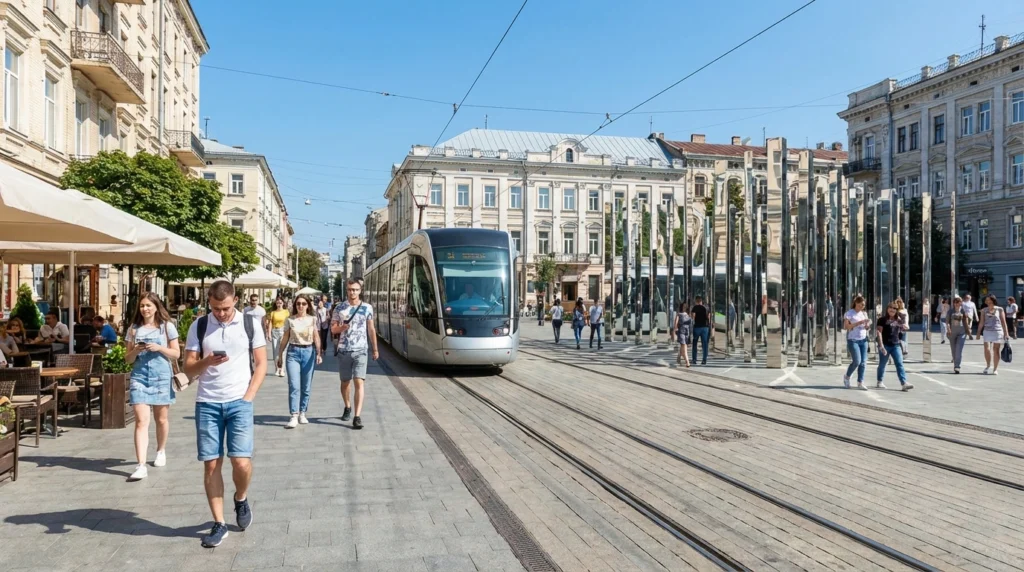
Transport basics. The metro is fast and useful for first-timers. Use contactless payment where available, or buy a transit card. For late afternoon returns, consider ride-hailing to reduce walking time and keep your route simple.
Insurance. Travel medical insurance that explicitly covers war-related risks can reduce stress if you need care. Some travelers arrange coverage through before arrival.
Day 1 (Old Kyiv): St. Sophia, golden domes, and the classic viewpoints
Morning: St. Sophia area (UNESCO core) + historic lanes
Start early around St. Sophia’s Cathedral and the surrounding square. Go inside for mosaics and frescoes, then take a slow walk toward Mykhailivska Square and St. Michael’s Golden-Domed Monastery. This is the most “Kyiv postcard” part of the city—arriving in the morning helps you enjoy it before group tours and midday crowds.
Responsible visiting tip: dress modestly for churches (covered shoulders is a safe default), keep voices low, and avoid flash photography where prohibited. If an air alert sounds, do not linger for “one last photo”—move to shelter.
Midday: Andriivskyi Descent + Podil (art streets without rushing)
Walk down Andriivskyi Descent toward Podil. The descent is a cultural corridor: galleries, craft stalls, and historic facades. Keep your pace relaxed—this is a great place to buy small locally made items (ceramics, prints, embroidery) rather than mass-produced souvenirs.
In Podil, aim for a simple lunch near Kontraktova Square. If you want a museum stop today, choose one nearby so you’re not crossing the city: small galleries and local history exhibits fit well into a “curfew-friendly” day.
Afternoon: River views and a gentle park finish
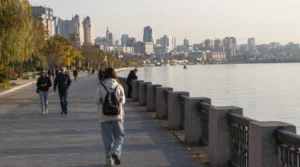
From Podil, head toward a viewpoint or riverside walk. If you prefer a classic panorama, plan a short ride to a central viewpoint area and keep the route straightforward. The goal is to end Day 1 with fresh air and photos—without turning it into a long cross-town trek.
Early dinner (19:00–20:30): Ukrainian classics near the center
Choose a restaurant with a strong local reputation and a menu that focuses on Ukrainian staples rather than “everything for everyone.” Order a few classics (see the food section below) and keep the evening light. After dinner, do a short stroll close to your hotel and call it a night.
Day 2 (Pechersk + Dnipro slopes): Lavra, WWII history, and big open-air spaces
Morning: Kyiv Pechersk Lavra (plan for time and respect)
Arrive early at Kyiv Pechersk Lavra to avoid queues and to have breathing room in the complex. It’s one of the most significant spiritual sites in the country, and it can take several hours if you include museums and viewpoints within the grounds.
Responsible visiting tip: follow posted rules closely, especially in sacred areas. Keep your phone on silent. If staff ask you to move or pause, comply immediately—security procedures can change quickly.
Midday: Museum-focused block (choose one “heavy” museum)
Kyiv offers powerful WWII and 20th-century history experiences. Pick one major museum for the middle of the day so you don’t overload your schedule emotionally or logistically. Give yourself time for breaks—Kyiv’s museums can be intense, and air alerts may interrupt visits.
Afternoon: Motherland monument area + Dnipro viewpoints
The Pechersk hills and the Dnipro slopes are ideal for an afternoon of wide views and open-air walking. Keep water with you, and plan your return route before you start wandering—these areas can feel deceptively large.
Alert-aware tip: open spaces are pleasant, but if an alert sounds, you’ll want to know the closest shelter or metro station. Check this before you head into parks or viewpoint paths.
Early dinner: modern Ukrainian cuisine (book ahead)
For Day 2, try a contemporary Ukrainian restaurant that rethinks classics with seasonal ingredients. Book a table earlier in the day and aim for a dinner time that still leaves you a comfortable buffer to get back to your accommodation.
Day 3 (Modern Kyiv): creative districts, markets, and a relaxed finale
Morning: Shevchenko area + a flagship museum
Start around Taras Shevchenko Park and nearby cultural institutions. This zone is convenient, walkable, and full of cafés for a quick breakfast. Choose a flagship art or national history museum for the morning—something that helps you connect the “ancient Kyiv” of Day 1 with the “modern Kyiv” you see on the streets today.
Midday: Market-style lunch and local shopping
Dedicate lunchtime to a market hall or a food-focused street where locals actually eat. Look for short menus, visible kitchens, and steady foot traffic. This is also the best time to buy edible souvenirs: honey, jam, herbal teas, chocolate, or spice blends for borshch.
Afternoon: a final viewpoint + Kyiv’s everyday neighborhoods
Choose one last viewpoint or scenic walk, then spend the rest of the afternoon in a “normal” neighborhood—bookstores, coffee shops, small design stores, and courtyards. Kyiv’s charm often shows up in ordinary details: murals, balconies, and the way people use parks and public spaces.
Early farewell dinner: comfort food done right
For your final night, go for comfort: varenyky, borshch, holubtsi, or chicken Kyiv. Keep it close to your hotel so you can return calmly and pack without stress.
Key landmarks and how to visit responsibly during alerts
- St. Sophia’s Cathedral & St. Michael’s: arrive early; follow church etiquette; keep your route simple so you can reach shelter quickly if needed.
- Andriivskyi Descent: support local artists; ask before photographing vendors; keep cash for small purchases.
- Kyiv Pechersk Lavra: dress modestly; respect sacred spaces; plan extra time for security procedures and possible pauses.
- Dnipro viewpoints and parks: identify the nearest metro/shelter before you start; don’t rely on “I’ll figure it out” during an alert.
Practical alert routine: (1) hear alert → (2) confirm on app → (3) move to shelter/metro → (4) wait for all-clear → (5) resume. Staff at museums and restaurants are used to this rhythm—follow their lead.
Local etiquette and language basics that improve interactions
Kyiv is friendly, but small cultural signals matter—especially for first-time visitors.
- Language: Ukrainian is the default in public life. Many people understand English in central areas, but starting with a Ukrainian greeting is appreciated.
- Volume and tone: keep voices lower in churches, museums, and the metro. Kyiv can feel brisk; politeness plus efficiency works well.
- Photos: ask before photographing people closely, especially vendors, service staff, or anyone in uniform.
- Tips: tipping is common in restaurants and cafés if service is good. If a service charge is included, you can still round up.
Useful Ukrainian phrases (simple and effective):
Dobryi den (Good afternoon/Hello) • Bud laska (Please/You’re welcome) • Dyakuyu (Thank you) • Pereproshuyu (Excuse me/Sorry) • Skilky tse koshtuye? (How much is this?) • De metro? (Where is the metro?)
Where to try classic dishes without tourist traps
Kyiv has plenty of “tourist menus.” You’ll eat better by using a few filters:
- Look for a focused menu: a place that does Ukrainian food well usually doesn’t need to offer five cuisines.
- Check who’s eating there: steady local traffic at lunch is a strong sign.
- Order seasonal items: borshch, varenyky, деруни (deruny/potato pancakes), and cabbage dishes are often best when the kitchen treats them as staples, not attractions.
- Choose neighborhoods wisely: Podil and central areas have both gems and traps—walk a few blocks off the main squares for better value.
What to order (and what it should taste like):
- Borshch: balanced sweet-sour beet flavor, not watery; often served with sour cream and pampushky (garlic buns).
- Varenyky: tender dough, generous filling (potato, cabbage, cherry); not gummy or overly thick.
- Holubtsi: cabbage rolls with rice and meat or vegetarian versions; comforting, not greasy.
- Deruny: crisp edges, soft center; great with sour cream or mushroom sauce.
- Chicken Kyiv: juicy chicken with a proper butter-herb core; best in places that treat it as a signature, not a novelty.
- Salo (for the curious): try a small portion with rye bread, pickles, and horilka—go slow.
Food safety and timing: if you’re planning a long museum block, avoid overly heavy lunches. Save the bigger meal for early dinner so you’re not rushing back during the evening.
If you want extra peace of mind for your trip logistics, keep digital copies of your documents, store emergency contacts offline, and consider medical coverage that matches current realities (some travelers use for this).