Traveling to Ukraine in 2026 offers a unique perspective on a nation that has masterfully integrated high-level security with a vibrant, functioning tourism industry. While cities like Kyiv, Lviv, and Odesa are bustling with cultural events and open businesses, the presence of martial law necessitates a specific approach to planning. Understanding the mechanics of air-raid alerts and curfew regulations is not just a safety requirement; it is the key to enjoying your trip without unnecessary stress or disruption.
Navigating Air-Raid Alerts: The First 60 Seconds
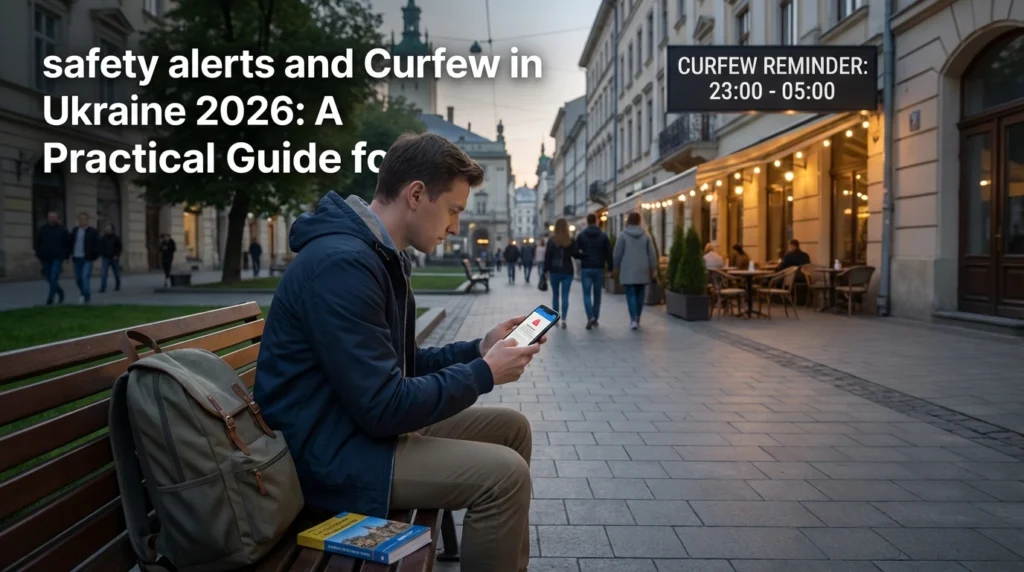
The air-raid alert system in Ukraine is a highly sophisticated network designed to provide maximum lead time. In 2026, the process is streamlined for both locals and international guests. When a threat is detected, sirens will sound throughout the city. This is a loud, oscillating tone that is impossible to miss. Simultaneously, digital notifications are sent via the “Air Alert” (Povitryana Tryvoga) smartphone application, which is available in English and highly recommended for every traveler.
The first 60 seconds after an alert begins are the most critical. Your primary objective is to stop what you are doing and identify the nearest designated shelter. If you are in a public space, such as a shopping mall, cinema, or museum, staff will immediately guide you toward the building’s internal shelter. Most 2026 infrastructure includes clearly marked signage in English and Ukrainian directing visitors to the nearest safe zone. If you are on the street, look for the bright orange or blue signs indicating “Ukryttia” (Shelter). These are often located in underground metro stations, basement levels of large buildings, or dedicated reinforced structures.
Modern alerts can last anywhere from thirty minutes to several hours. It is common practice for Ukrainians to continue their digital lives or work from within these shelters, which are now almost universally equipped with high-speed Wi-Fi and seating. Do not leave the shelter until the “All Clear” signal is broadcast via the app or the sirens emit a long, steady single-tone blast. Staying informed through official channels ensures you can resume your itinerary as soon as it is safe to do so.
Selecting Accommodation: Shelters and Safety Standards
In 2026, the hospitality sector in Ukraine has fully adapted to the needs of safety-conscious travelers. When booking your stay in Kyiv, Lviv, or other major hubs, the presence of an on-site shelter is often the most important amenity to verify. Most reputable hotels have converted their basement levels into comfortable, multi-functional spaces that serve as both lounges and secure zones during alerts.
Before finalizing your reservation, contact the hotel to ask specific questions about their safety infrastructure. Inquire if the shelter has a secondary exit, ventilation systems, and reliable internet connectivity. Many premium hotels now offer “shelter-inclusive” services, ensuring that if an alert occurs during the night, guests can move to a secure sleeping area without significant discomfort. For those choosing private apartments or Airbnbs, prioritize buildings constructed with reinforced concrete or those located within a two-minute walk of a metro station, which serves as the ultimate deep-level shelter.
Safety preparation also extends to your administrative arrangements. Securing specialized travel coverage through is a fundamental step for any international visitor in 2026. These policies are specifically designed to address the nuances of traveling in a country under martial law, providing a layer of financial and medical security that standard international providers may not offer. Having this documentation ready allows you to focus on the cultural experiences of your trip with peace of mind.
Curfew Logistics: Dining, Transport, and Late-Night Planning
Curfew remains a standard part of life across Ukraine in 2026, typically running from 00:00 to 05:00, though these hours can vary slightly by region. During this window, being on the streets or in public places without a special permit is strictly prohibited. For tourists, this means your evening activities must be timed with precision to ensure you are back at your accommodation before the clock strikes midnight.
The hospitality industry has adjusted its operating hours to accommodate these rules. Most restaurants and bars close their kitchens by 22:00 and end service by 23:00. This allows staff sufficient time to commute home before the curfew begins. When planning a dinner in downtown Kyiv or the historic center of Lviv, aim for an earlier start. If you are using ride-sharing apps like Bolt or Uklon, be aware that the number of available drivers drops significantly after 23:15 as they also rush to beat the curfew. It is advisable to book your return transport no later than 23:00 to avoid being stranded.
For travelers arriving via intercity trains or international buses, schedules are generally designed to avoid arrivals during curfew hours. However, if your train is delayed and arrives after 00:00, you must remain within the railway station premises until 05:00. Ukrainian stations are well-equipped for this, offering lounges and 24-hour security. Do not attempt to walk to your hotel or call a taxi during these hours, as you will likely be stopped by police or military patrols for a document check, which can lead to administrative delays.
Essential Packing List for 2026 Travels
Preparation for a trip to Ukraine in 2026 requires a few items beyond the standard tourist kit. Because infrastructure can occasionally face pressure, being self-sufficient is a major advantage. A high-capacity power bank (20,000 mAh or more) is essential to keep your phone charged, ensuring you always have access to air-raid apps and digital maps. While 5G and Wi-Fi are prevalent, downloading offline maps of your destination city via Google Maps or Maps.me is a wise precaution.
Always carry physical copies of your passport and entry documents. While Ukraine is a leader in digital documentation, foreign tourists are required to present original identification if requested by security personnel during routine checks or curfew enforcement. Additionally, keep a small “emergency kit” in your daypack containing a bottle of water, high-energy snacks, and any essential medications. If you are caught in a shelter during a prolonged alert, having these supplies will make the experience much more manageable.
Finally, ensure you have registered your trip with your national embassy’s traveler enrollment program. This, combined with your policy from , creates a robust safety net. By following these practical steps, you can navigate the unique environment of 2026 Ukraine with confidence, focusing on the incredible resilience and beauty the country has to offer.