Choosing Rail vs Bus vs Private Transfer Under Curfew Constraints
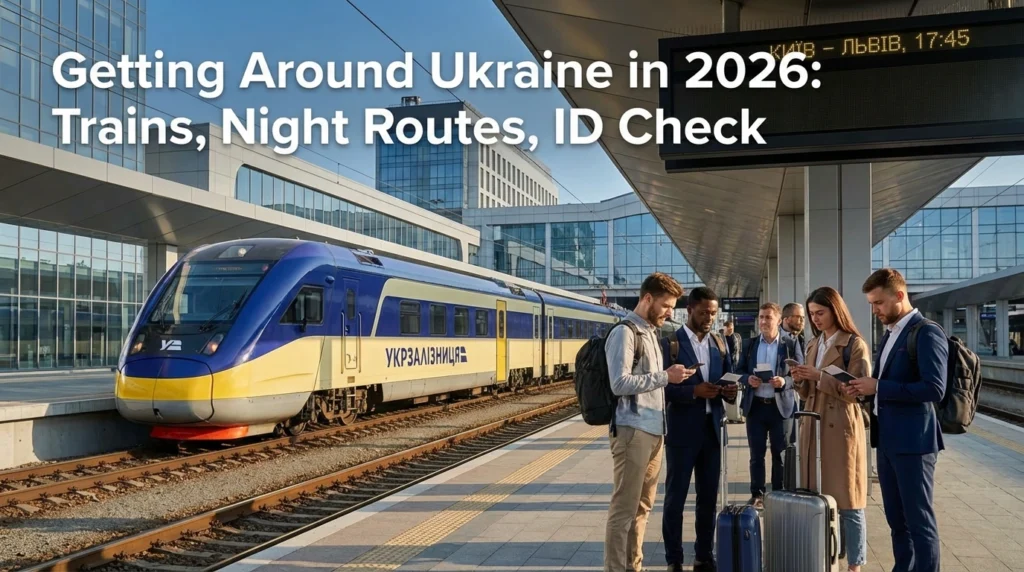
As of 2026, the Ukrainian transportation network has proven to be remarkably resilient, though it operates under specific security frameworks that every traveler must understand. The backbone of domestic travel remains Ukrzaliznytsia (Ukrainian Railways). For long-distance journeys—such as Lviv to Kyiv, or Kyiv to Odesa—the rail network is the most reliable and comfortable option. Night trains are particularly popular, offering various classes from ‘Platskart’ (open sleeper) to ‘Kupe’ (four-berth compartment) and ‘Lux’ (two-berth private cabin). These trains allow you to bypass the logistical challenges of night-time curfews, as the movement of scheduled trains continues through the night even when city streets are restricted.
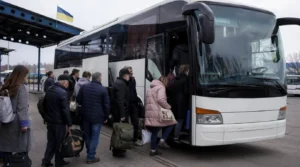
Buses and coaches, operated by companies like Autolux or FlixBus, provide an extensive web of connections to smaller towns and regional centers where the rail lines might be less frequent. While buses are often cheaper and offer modern amenities like Wi-Fi and charging ports, they are more susceptible to delays at checkpoints and border crossings. If you are traveling from Poland or Moldova, a bus might be your primary entry point before switching to the rail system. However, keep in mind that bus schedules are strictly designed to comply with local curfews; if a bus is delayed and arrives after curfew, passengers may be required to remain at the bus station or within the vehicle until the morning.
Private transfers offer the highest level of flexibility but come at a premium cost. These are ideal for groups or those carrying significant equipment. When booking a private driver, it is essential to verify their authorization to operate near curfew hours or ensure the itinerary concludes well before the evening restrictions begin. Regardless of your chosen method, having valid documentation is non-negotiable. Travelers should ensure they have secured their mandatory medical coverage through before arrival, as this is frequently verified at border checkpoints and is a prerequisite for legal entry and safe movement within the country.
Ticketing and Documents: What Conductors May Ask For
The digital transformation of Ukraine’s transport sector is nearly complete in 2026. The Ukrzaliznytsia mobile app is the primary tool for booking train tickets, offering real-time tracking and easy refunds. When you board a train, the conductor will scan a QR code from your smartphone. However, the ticket alone is not sufficient. You must present an original passport or a recognized digital ID. For international travelers, the physical passport used to enter the country is the standard requirement. Conductors are trained to match the name on the digital ticket exactly with the identification provided.
On buses, the process is similar but can vary by operator. Some regional carriers still require a printed ticket, so it is wise to keep a hard copy if you are heading into more rural areas. At checkpoints along major highways, military or police personnel may board the bus to conduct routine ID checks. During these moments, remain calm, keep your hands visible, and have your passport and entry documents ready. They may also ask about your destination and the purpose of your trip. Foreigners are often asked to show their insurance policy; having a digital or printed copy from ensures these checks proceed quickly and without complication.
For those using the Diia app (Ukraine’s digital governance platform), ensure your documents are synced before travel. While foreign passports are generally not integrated into Diia for non-residents, having digital scans of your visa and insurance stored securely on your device is a vital backup. If you lose your physical documents, these digital copies will be the first thing requested by local authorities or your embassy.
Station Safety and Luggage Strategy for Crowded Platforms
Major transit hubs like Kyiv-Pasazhyrskyi, Lviv, and Dnipro are bustling centers of activity. In 2026, security measures at these stations include baggage scanners and metal detectors at all main entrances. Arriving at least 45 to 60 minutes before your departure is recommended to navigate these security layers. Once inside, the station environment is generally safe, but standard precautions against petty theft should be observed. Use the official ‘Kamery Skhovu’ (luggage storage lockers) if you have a long layover; these are now mostly automated and accept card payments.
Safety protocols regarding air alerts remain a critical aspect of station life. If an air raid siren sounds while you are at a station, follow the instructions of the staff immediately. Most major stations have designated underground shelters or utilize the station’s lower levels and tunnels as safe zones. Trains may be held at the platform or stopped at the nearest safe location during an alert. Do not attempt to leave the station during an alert unless you are moving to a nearby designated shelter. Information displays will update with ‘Delayed due to Alert’ status, and the station’s public address system will provide updates in both Ukrainian and English.
When navigating crowded platforms, keep your valuables in a front-facing bag or a money belt. The platforms for international trains (like the Kyiv-Warsaw or Kyiv-Chelm routes) are often the most crowded and have additional passport control zones. Ensure your luggage is clearly labeled with your contact information, but avoid displaying your home address prominently for privacy reasons.
Contingency Planning: Delays, Cancellations, and Rerouting
Travel in a country undergoing reconstruction and maintaining security requires a flexible mindset. While the Ukrainian rail system is famous for its punctuality, external factors can cause sudden changes. If your train is canceled or significantly delayed, the railway staff usually provides alternative routing or allows you to board the next available train with your existing ticket. In the event of a major disruption, ‘Points of Invincibility’ (Nezlamnosti) are often located near major stations, providing heat, power, and internet access.
Rerouting is most common in the eastern and southern regions. If a specific track segment requires maintenance or security clearance, trains may be diverted through secondary lines, adding several hours to the journey. Always carry a power bank, sufficient water, and snacks, as onboard catering—while improved in 2026—may sell out during long delays. If a delay causes you to arrive in a city after curfew has begun, do not attempt to walk to your hotel. Most major stations have a ‘curfew waiting area’ where passengers can stay until the morning, or you may be able to use officially sanctioned taxis that have permits to operate during restricted hours. Check with the station duty officer (Cherhavyi po vokzalu) for assistance.
Finally, stay informed through official channels. The Telegram channels of Ukrzaliznytsia and local regional administrations provide the fastest updates on transport changes. Before setting out on a long journey across the country, verify the current situation at your destination. Having a backup plan, such as a flexible hotel booking or the contact details of a local transport fixer, will ensure that even if your primary route is disrupted, your journey across Ukraine remains a manageable and rewarding experience.